






President Emomali Rahmon Tells Xinhua News That China’s Belt and Road Initiative and Tajikistan’s Development Strategy are Linked
DUSHANBE, 22.04.2019. (NIAT Khovar) – The Belt and Road Initiative (BRI) can contribute to the realization of the National Development Strategy of Tajikistan until 2030, said the President of Tajikistan Emomali Rahmon in an interview with the Chinese media, reports the Xinhua News Agency.
“In my opinion, the Belt and Road initiative, which connects our countries with a single, multifaceted, if we can say ‘bridge,’ can contribute to the implementation of a number of strategic objectives, in particular, the expansion of our transit potential. In addition, this initiative of the Chinese leadership can assist our landlocked country in gaining access to world markets,” said Emomali Rahmon.
“The National Development Strategy of [Tajikistan] until 2030 was adopted in 2016. It is based on the Global Sustainable Development Action Plan approved by the UN General Assembly in September 2015,” noted President Emomali Rahmon.
“This comprehensive document is considered to be unique, as it harmoniously integrates specific goals and objectives in the areas of economic growth, social development and environmental protection,” he noted.
President Emomali Rahmon also highlighted four strategic goals for Tajikistan, i.e., energy security and efficiency, breaking the communication deadlock and expanding the country’s transit potential, food security, and expanding productive employment.
“By matching our strategic goals with the Belt and Road Initiative project, we continue to actively expand and deepen regional cooperation,” added Emomali Rahmon.
 Lonely Planet Includes Tajikistan among the World’s Best Travel Experiences
 Emomali Rahmon and Xi Jinping Highlight Significance of Launching Direct Passenger Flights between Dushanbe and Beijing
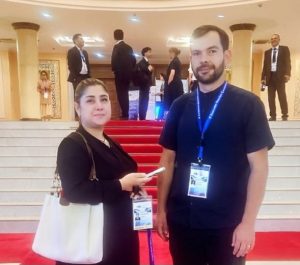 Tajikistan Provides Key Platform for Science–Policy Dialogue on Glacier Preservation, Says UCA Researcher
 CGTN Journalist Praises Tajikistan’s Leadership on Glaciers’ Issues and Highlights China-Tajikistan Cooperation
 UN Women Official Stresses the Role of Women in Climate Action at Glaciers’ Conference in Dushanbe
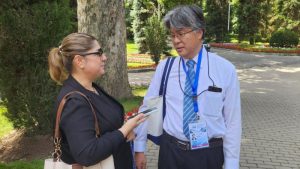 Japanese Researcher Highlights Tajikistan’s Role in Regional Water Security at High-Level Glaciers’ Conference
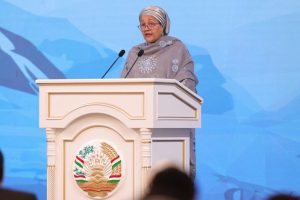 “This is Not Just Ice – This is Life”: UN Deputy Chief Calls for Urgent Action at Glaciers Conference in Dushanbe
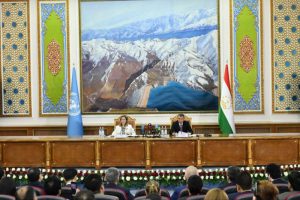 Dushanbe Hosts Landmark International High-Level Conference on Glaciers’ Preservation
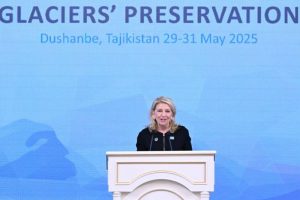 The Climate Crisis Is Primarily a Crisis of Children’s Rights
 Chinese Scientist Highlights Glacier Retreat as a Tangible Reality for Tajikistan, the Region, and the World
 Dushanbe Conference Launches New Era in Global Glacier Diplomacy
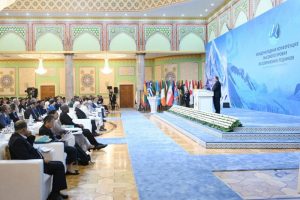 Global Leaders Urged to Fund UN Trust for Glacier Preservation