






Rare 465-Million-Year-Old Fossils Discovered in Saudi Arabia
Read also
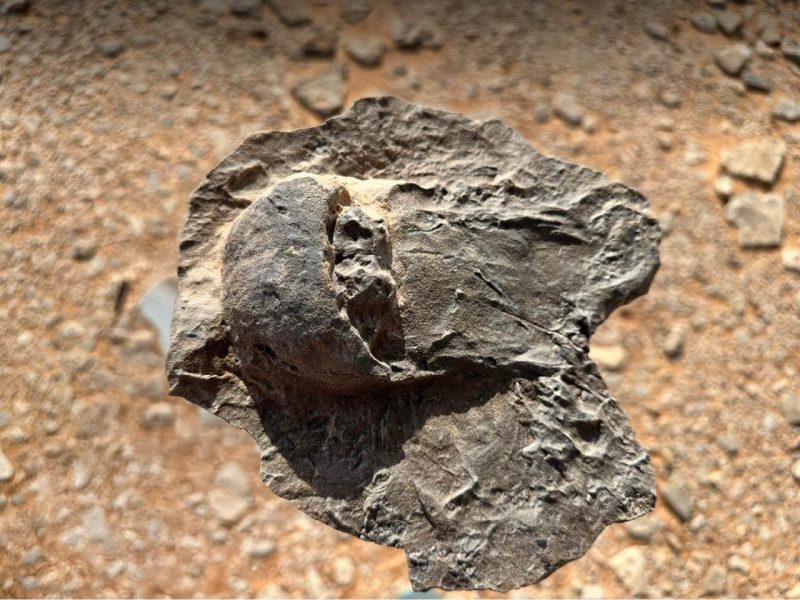
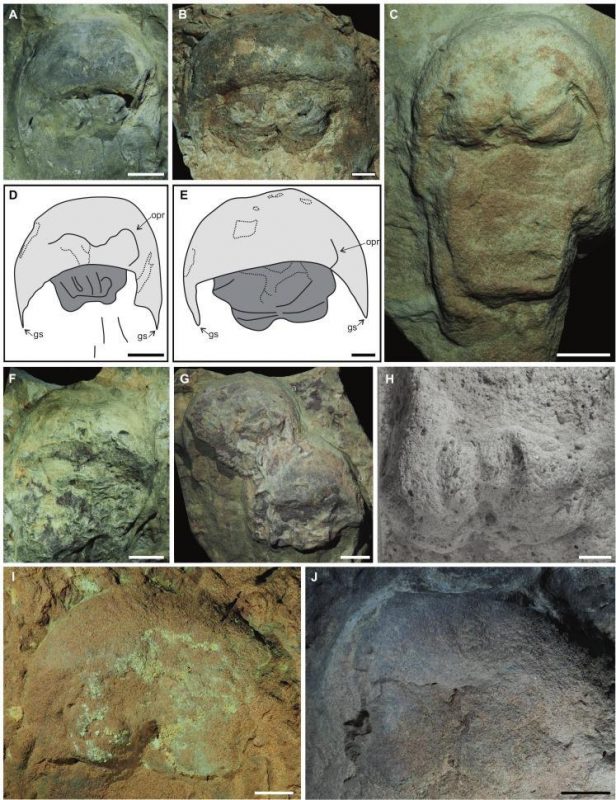
DUSHANBE, 09.01.2026 (NIAT Khovar) – The Royal Commission for AlUla has announced the discovery of rare horseshoe crab fossils dating back approximately 465 million years. The findings were documented and published in the international peer-reviewed scientific journal Gondwana Research, which specialises in geological sciences.
According to the Commission, the fossils were discovered in the AlGharameel Nature Reserve in the AlUla region. Scientists note that this discovery makes an important contribution to the study of Earth’s geological history and biodiversity.
The fossils date back to the Middle Ordovician period (approximately 485–444 million years ago) and are considered among the oldest known horseshoe crab fossils in the world. Researchers reported that the specimens are distinguished by their unusually large size compared to other fossils from the same period.
It is also noted that all the fossils were found preserved upside down, a mode of preservation not previously recorded. Trace fossils were discovered nearby, indicating attempts by the organisms to return to their natural position. According to scientists, this provides rare evidence of ancient behavioural patterns.
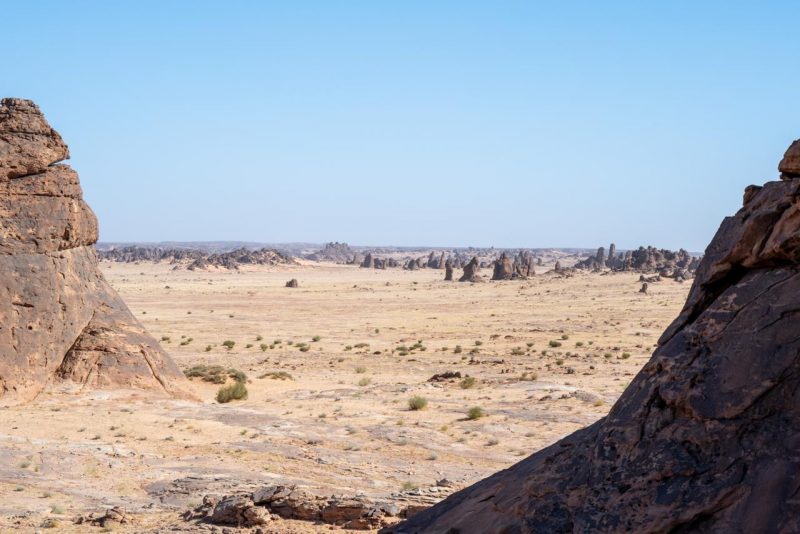
Geological and stratigraphic analysis indicates that strong seasonal storms occurred repeatedly in the region during that period. Experts believe that these events caused the organisms to gather in shallow coastal environments, contributing to their preservation in sedimentary deposits. These findings suggest that the territory of modern-day AlUla was a coastal area in ancient times.
The discovery also represents a previously unclassified species. The research is being conducted in collaboration with an international team led by Dr Russell Bicknell from Flinders University in Australia. The second phase of the study, which will include the collection of additional samples and further analysis, is scheduled for the first half of 2026.
The fossil specimens have been preserved in the museum collections of the Royal Commission for AlUla for further research and educational purposes.
According to the Commission, the discovery highlights AlUla’s growing role as an important centre for scientific and geological research and corresponds with the objectives of Saudi Vision 2030 aimed at strengthening the country’s scientific and cultural presence at the international level.
 Saudi Arabia Ranks Second Globally in Humanitarian Aid for 2025
 Consultations on Information Cooperation Held Among SCO Member States’ Foreign Ministries
 SCO Energy Ministers Meeting to Be Held in Ningbo
 China-SCO Forum on Digital Development and Cooperation Held in Karamay
 SCO Ministerial Meeting on Information and Communication Technologies Held in China
 Strengthening Cooperation Between SCO Trade Union Organizations Discussed in Beijing
 SCO National Coordinators Council Holds Meeting in Beijing
 SCO Military Medicine Symposium Held in Xi’an
 World Youth Development Forum Opens in Beijing
 Putin Calls for the Adjustment to the Concept of Migration Policy
 Saudi Arabia’s Council of Senior Scholars Recognizes Muslim Brotherhood as Terrorist and Non-Religious Organization
 Radical Mosques to Be Closed in Austria