





Victim-centered responses to trafficking crimes in Tajikistan
Dushanbe, 01.06.2016 (NIAT “Khovar”). – Employees of Tajikistan embassies and consulates abroad participate at the training on combating human trafficking started today, on 01 June 2016, in Dushanbe.
According to the IOM office in Tajikistan, the staff of the Tajik MFA Headquarter, Embassies and Consulates of the Republic of Tajikistan, participating at the training, will be familiarized with the role of the National Referral Mechanism in identification and referral of victims of human trafficking to relevant government and civil society organizations for assistance.
The training is organized by the International Organization for Migration (IOM) in partnership with the Ministry of Foreign Affairs of the Republic of Tajikistan and the U.S. Department of State’s Office to Monitor and Combat Trafficking in Persons (J/TIP).
Human trafficking is a modern-day form of slavery and involves trade of a person for labor or sexual exploitation or financial gain. As human trafficking mostly is a trans-border crime and many victims are in desperate needs in foreign countries, embassies, consulates and migration services abroad in destination countries play an especially vital role in rescuing and saving lives and fates as a first point of contact between the home country and victims. Training of officials of these structures will contribute to effective combating of trafficking in persons in Tajikistan.
Participants will discuss the situation of human trafficking in Tajikistan, including the new national legislation and international instruments, as well as will be familiarized with the experience of international cooperation of the Republic of Tajikistan in the field of combating human trafficking. Local experts will provide clarification in determining the role of diplomatic and consular personnel in combating human trafficking and providing assistance to victims of trafficking, and will introduce participants to new trends in protection, identification and repatriation of victims of trafficking. Particular attention will be paid to the referral mechanism of victims of trafficking, as well as psychological and ethical principles of communication with victims of human trafficking.
In addition, participants will learn about the best practices of cooperation between government agencies and civil society in Tajikistan and about the role of IOM and NGOs in provision of protection and assistance to victims of trafficking, including support for shelters and hotlines.
 Tajikistan, World Bank Discuss Cooperation in Energy, Transport and Social Sectors
 Tajikistan Hosts International Forum on Geology and Mining Industry Digitalization
 Tajikistan, Japan Strengthen Cooperation in Training Industrial Specialists
 RCU Launches 2026–2027 Archaeology Season Across AlUla and Khaybar to Advance Heritage Research
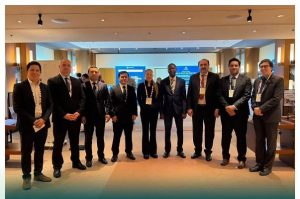 Tajikistan, UNICEF and Islamic Development Bank Discuss Digital Cooperation and Child Safety Online
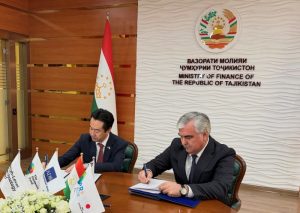 Tajikistan Secures $84.44 Million in Grants From ADB and JICA for Health, Social Insurance and Energy Projects
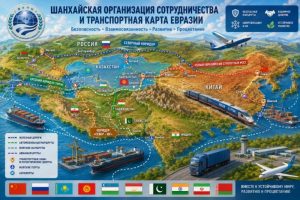 Tajikistan Seeks to Strengthen Transport Links Among SCO Member States
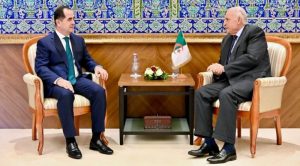 Tajik Ambassador Presents Credentials to Algeria’s Foreign Minister
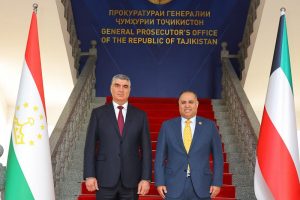 Tajikistan and Kuwait Discuss Cooperation on Combating Transnational Crime
 SCO Prime Ministers Gather in Dushanbe for 25th Council Meeting
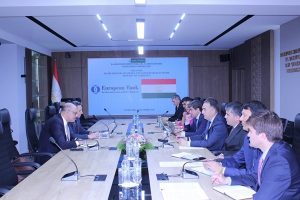 Tajikistan, EBRD Discuss Expanding Energy Cooperation and Hydropower Development