






President of Mongolia Concludes State Visit to Tajikistan
Read also
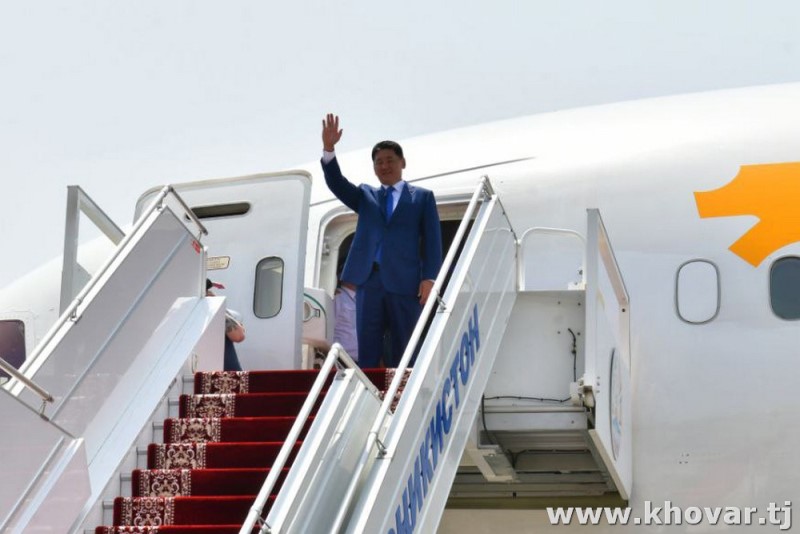
DUSHANBE, 26.07.2025 (NIAT Khovar) – The state visit of the President of Mongolia, Ukhnaagiin Khurelsukh, to the Republic of Tajikistan officially concluded on July 26.
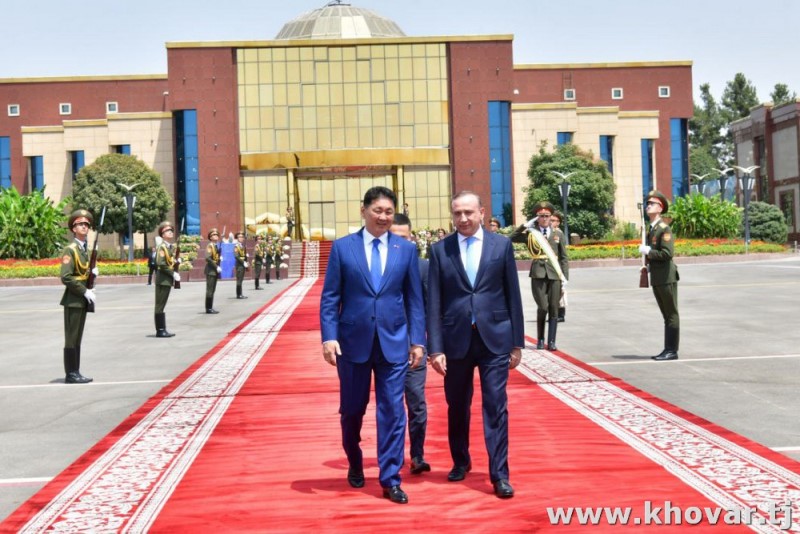
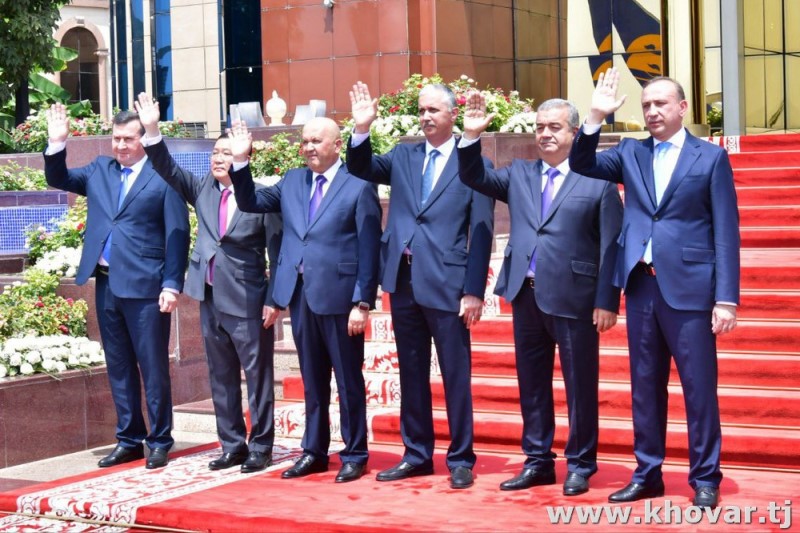
At Dushanbe International Airport, the distinguished guest was seen off by First Deputy Prime Minister of the Republic of Tajikistan, Hokim Kholiqzoda, and other senior government officials.
To mark the occasion, the airport was festively decorated with the national flags of both countries, portraits of the Presidents of Tajikistan and Mongolia, as well as banners celebrating the friendship between the two nations. A red carpet was laid out, and a ceremonial guard of honor lined both sides of the pathway.
The state visit of the President of Mongolia to Tajikistan took place from July 23 to 26 and featured high-level meetings and talks, the signing of new cooperation agreements, and a range of significant events, including an Tajikistan–Mongolia Investment Forum and the Days of Mongolian Culture in Tajikistan.
As part of the visit, President Ukhnaagiin Khurelsukh also toured the National Museum of Tajikistan and the Rogun Hydropower Plant.
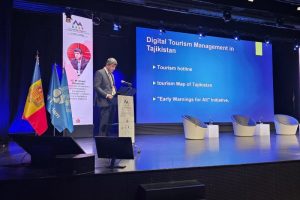 Tajik Ambassador Attends World Tourism Congress in Andorra
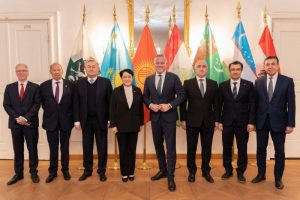 Central Asian Ambassadors Meet Styria Governor to Boost Regional Cooperation
 Journalists Invited to Register for Dushanbe Water Conference
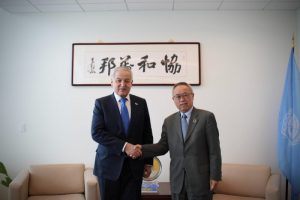 Tajikistan, UN Discuss Sustainable Development, Water and Climate Initiatives
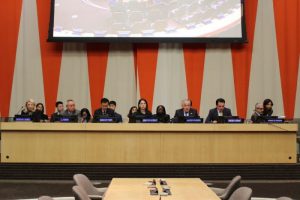 Tajikistan Promotes Water SDGs and Women’s Leadership at UN
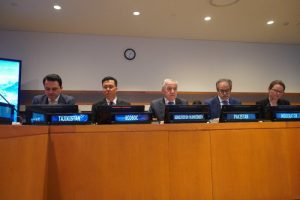 Tajikistan Calls for Global Action on Glacier Preservation at UN Headquarters
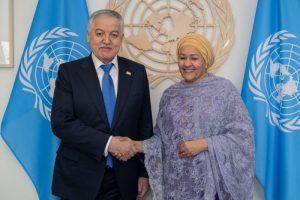 Tajikistan, UN Discuss Security and Development Cooperation
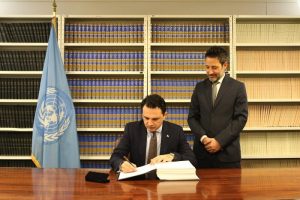 Tajikistan Signs UN Convention Against Cybercrime in New York
 Tajik Foreign Minister Meets UN Water Conference Co-organizers in New York
 Tajikistan Joins World Glacier Day 2026 Event at UNESCO in Paris
 Tajikistan Hails Kazakhstan Referendum, Reaffirms Strategic Ties
 Tajik, Chinese Diplomats Discuss Bilateral Ties and Regional Issues