








RCU Launches Archaeological Campaign Showcasing More Than 19,000 Rock Art Panels in AlUla
Read also
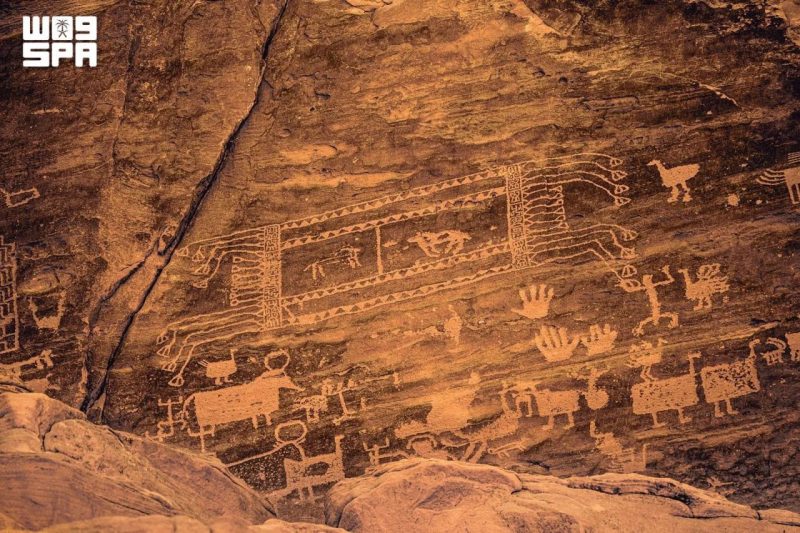
The Royal Commission for AlUla (RCU) has launched an awareness campaign across its social media platforms, highlighting AlUla’s archaeological heritage and sharing the findings of extensive archaeological research and surveys. Running until the end of 2026, the campaign showcases approximately 19,802 documented rock art panels featuring more than 66,000 animal depictions and over 11,000 human figures.
Spanning more than 12,000 years, this remarkable archaeological record offers insights into human life, changing lifestyles and the relationship between people, animals and their environment. Together, these findings form the largest indexed regional rock art database in the Arabian Peninsula.
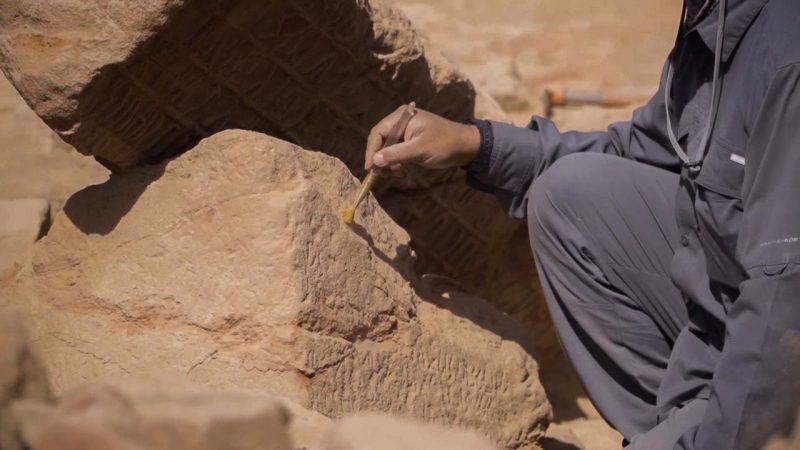
The campaign highlights the scientific methods used to study and date rock art, as well as the contributions of archaeologists and AlUla residents to archaeological research and documentation. The process begins with surveys conducted on foot, followed by photographing, drawing and describing the rock art, and accurately recording the geographical coordinates of each site.
Researchers examine overlapping images, artistic techniques, depicted subjects and associated inscriptions. They also analyse the dark coating that gradually forms on rock surfaces, known as rock varnish, which helps distinguish older engravings from more recent ones.
The campaign explores ten key themes: rock art as a historical record; evidence of the transition from hunting to herding; environmental and climatic changes; AlUla as a crossroads of trade and cultural exchange; archaeological surveying and documentation; chariots as symbols of status and influence; locally extinct wildlife; oasis sustainability and livestock ownership; horsemanship, conflict and survival; and the enduring tradition of rock art.
The archaeological surveys reveal how rock art chronicles changes in human lifestyles and relationships with animals over thousands of years. Early hunting scenes depict ibex, oryx and ostriches pursued with bows, arrows and hunting dogs. Later engravings illustrate the transition to livestock rearing, including cattle and camel herding and the care of young animals.
The presence of wildlife in AlUla throughout history was closely linked to the availability of water and vegetation. Rock art depicting wild cattle, African wild asses, lesser kudu, ibex and wild camels has enabled researchers to trace environmental changes, from periods characterised by wetter conditions and extensive grasslands to the onset of aridity, which transformed human lifestyles and patterns of land use.
The engravings also provide evidence of the importance of water in sustaining pastoral activities and offer insights into the significance of geometric motifs. As the surrounding regions became increasingly arid, AlUla Valley remained a refuge, with its water resources, oases and vegetation supporting continued human settlement and livestock rearing.
Rock art indicates that cattle remained present in the region during the Iron Age and pre-Islamic period, even as later depictions of cattle became increasingly rare at other archaeological sites across northern Saudi Arabia.
Researchers have also used ancient animal depictions to reconstruct the region’s environmental and climatic history. Realistic engravings, often life-sized or nearly life-sized, portray species that subsequently disappeared from the region, including aurochs, African wild asses and lesser kudu. These discoveries offer valuable insights into the Holocene humid period, approximately 8000–4000 BCE, when grasslands and lakes extended across parts of the northern Arabian Peninsula.
Scenes of warfare, defence and survival are another prominent feature of AlUla’s rock art. Archaeological surveys have documented 14,670 depictions of horses carrying riders, alongside 1,375 battle scenes. A further 180 scenes portray encounters with carnivorous animals, including lions, leopards, cheetahs and hyenas. These engravings depict predators attacking people or livestock, as well as individuals defending their herds or hunting dangerous animals.
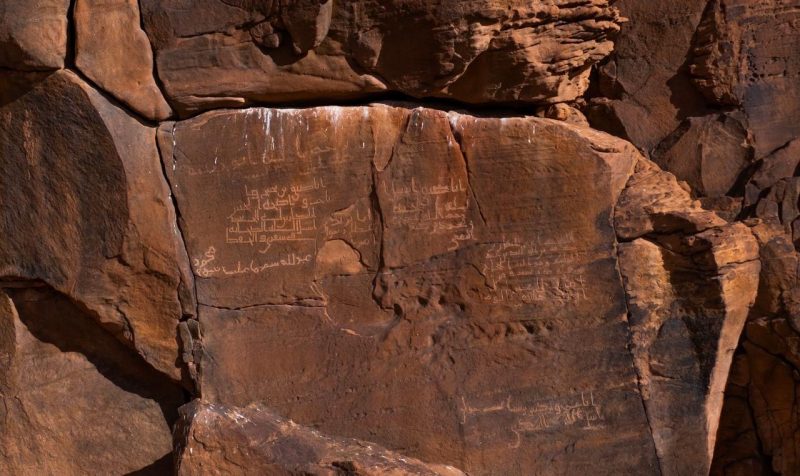
Long before trade routes were recorded on maps, travellers and caravans left traces of their journeys on AlUla’s rock surfaces. Engravings believed to depict camel caravans, horses, riders, camel litters and chariots, alongside scenes of travel and conflict, illustrate AlUla’s historical role as a crossroads of trade and cultural exchange.
Supported by reliable water resources and flourishing oases, AlUla developed into an important stop along regional trade networks, connecting ancient urban centres including Dadan, Hegra, Qurh and Umm Hadam. The surviving rock art and traces of ancient routes offer enduring evidence of AlUla’s historical significance as a meeting point for travellers and communities.
The concentration of chariot engravings also provides insights into the social structures and cultural practices of ancient societies. Archaeological surveys have identified 38 depictions of horse-drawn chariots, including 25 in Wadi AlNaam, potentially representing one of the highest concentrations of chariot engravings in the Arabian Peninsula.
Researchers suggest that these chariots were unlikely to have been suitable for long-distance travel. Instead, they may have been used within oasis settlements and associated with individuals of elevated social status, serving as symbols of prestige and influence thousands of years ago.
AlUla’s rock art tradition did not end with antiquity. It continued to capture everyday life and social change well into the recent past. Alongside depictions of camels, horses and caravans, the region’s rock surfaces feature coffee pots, tents, carpets and vessels, followed by more modern forms of transport, including cars and lorries.
Archaeological surveys have documented 395 depictions of motor vehicles, demonstrating how successive generations continued to use rock surfaces as a means of expression and a record of the objects that shaped their lives.
Together, these discoveries reveal AlUla’s rock art as an enduring historical archive, preserving thousands of years of human experience and offering a unique perspective on the region’s environmental, social and cultural transformation.
 Saudi Arabia Ranks Second Globally in Humanitarian Aid for 2025
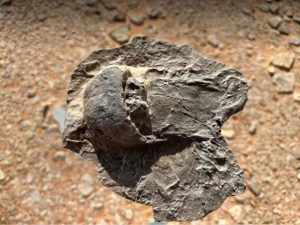 Rare 465-Million-Year-Old Fossils Discovered in Saudi Arabia
 Consultations on Information Cooperation Held Among SCO Member States’ Foreign Ministries
 SCO Energy Ministers Meeting to Be Held in Ningbo
 China-SCO Forum on Digital Development and Cooperation Held in Karamay
 SCO Ministerial Meeting on Information and Communication Technologies Held in China
 Strengthening Cooperation Between SCO Trade Union Organizations Discussed in Beijing
 SCO National Coordinators Council Holds Meeting in Beijing
 SCO Military Medicine Symposium Held in Xi’an
 World Youth Development Forum Opens in Beijing
 Putin Calls for the Adjustment to the Concept of Migration Policy
 Saudi Arabia’s Council of Senior Scholars Recognizes Muslim Brotherhood as Terrorist and Non-Religious Organization