Tajikistan has adopted its Strategy for the Development of Artificial Intelligence through 2040, the first document of its kind in Central Asia, an official said.
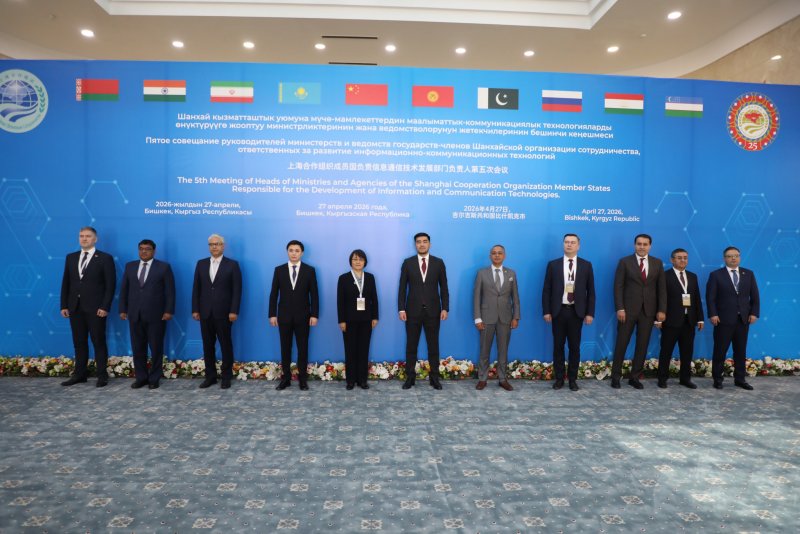
Khurshed Mirzo, director of the Agency for Innovation and Digital Technologies under the President of Tajikistan, announced the strategy during the Fifth Meeting of Ministers of Information and Communication Technologies of Shanghai Cooperation Organization (SCO) member states.
According to the agency, the strategy envisions the use of artificial intelligence in public administration, health care, agriculture, environmental protection and information security.
Mirzo said IT Park Dushanbe is serving as a development hub for startups and technology companies, offering tax and customs incentives, modern infrastructure and educational programs for young professionals and entrepreneurs.
He proposed that SCO member states establish a registry of best practices in information and communications technology and artificial intelligence, develop a coordinated legal framework for AI regulation, and enhance digital connectivity and data exchange between data centers.
Tajikistan reaffirmed its readiness to expand cooperation on digitalization and innovation and called on SCO members to support the proposed initiatives.
An international forum on artificial intelligence was also held on the sidelines of the meeting, where officials highlighted AI as a key driver of digital economic growth and improved public service delivery. Mirzo noted that AI could significantly increase public sector efficiency and reduce operating costs by 2030.
The agency also pointed to Tajikistan’s role in advancing AI cooperation in the region, including the adoption of a United Nations General Assembly resolution on the role of artificial intelligence in sustainable development in Central Asia, which provides for the creation of a regional AI center in Dushanbe.
Officials described participation in the forum as an important step toward strengthening SCO cooperation in artificial intelligence and developing a shared digital space.








 Tajikistan Discusses Economic Cooperation With International Financial Institutions in Bangkok
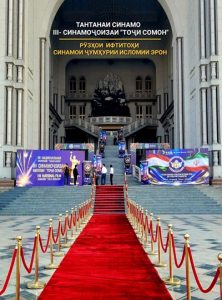 Iranian Film Days Open in Dushanbe as Part of Toji Somon Film Awards
 Tajikistan’s Central Bank Chief Discusses Monetary Policy Amid Global Economic Uncertainty in Thailand
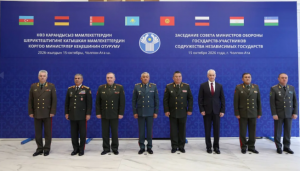 Tajikistan Participates in CIS Defense Ministers’ Meeting in Kyrgyzstan
 Tajikistan, Sri Lanka Discuss Bilateral Cooperation on Sidelines of CICA Summit
 Tajikistan Reviews Progress on State Greening Program Through 2040
 Tajikistan to Host U.N.-Backed Peace Conference in Dushanbe in May 2027
 G10 Insight Forum 2026 Opens in Dushanbe to Explore Business and Investment Opportunities
 Tajikistan and Kazakhstan Railways Agree to Boost Freight Transport Cooperation
 Tajikistan Signs 23 Cooperation Agreements Worth $3.1 Billion at Entrepreneurship Forum
 President Emomali Rahmon Extends Moratorium on Small Business Inspections Until 2029
 Khujand Declaration Takes Center Stage at Geneva Peace Forum


