





Belt and Road Initiative Bridges Nations, Cultures, and Futures Through Media and Communication
Read also
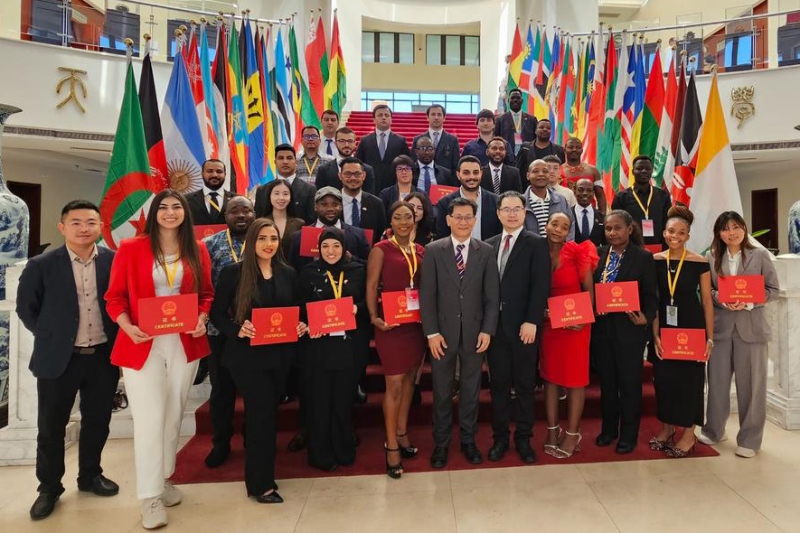
DUSHANBE, 14.05.2025 (NIAT Khovar) – A 14-day Seminar for Young Leaders of Journalist Organizations from Belt and Road Iinitiative Partner Countries recently concluded in China.
The event was organized by AIBO with the support of the Ministry of Commerce of the People’s Republic of China.
Khovar news agency representative had the opportunity not only to deepen professional knowledge, but also to gain a closer understanding of China’s culture, history, and modern achievements—experiences that he shared in detail.
For me, this trip marked a continuation of my ongoing engagement with China. Each visit introduces me to a new Chinese city—each with its own unique character, innovations, and opportunities for personal and professional development. This time, I explored three cities: Beijing, Nanchang, and Urumqi, each of which left a lasting impression.
The Belt and Road Initiative: Strategic Partnership and Global Cooperation
The seminar was organized for participants from countries involved in the Belt and Road Initiative (BRI), which was introduced by Chinese President Xi Jinping in 2013. The initiative aims to enhance infrastructure development and strengthen trade and economic ties across Eurasia, Africa, and other regions. It consists of two main components: the Silk Road Economic Belt and the 21st Century Maritime Silk Road, encompassing more than 150 countries and international organizations.
Since the launch of the initiative, Tajikistan has actively supported its goals and objectives. The President of the Republic of Tajikistan, His Excellency Emomali Rahmon, was among the first world leaders to express official support for this global strategy.
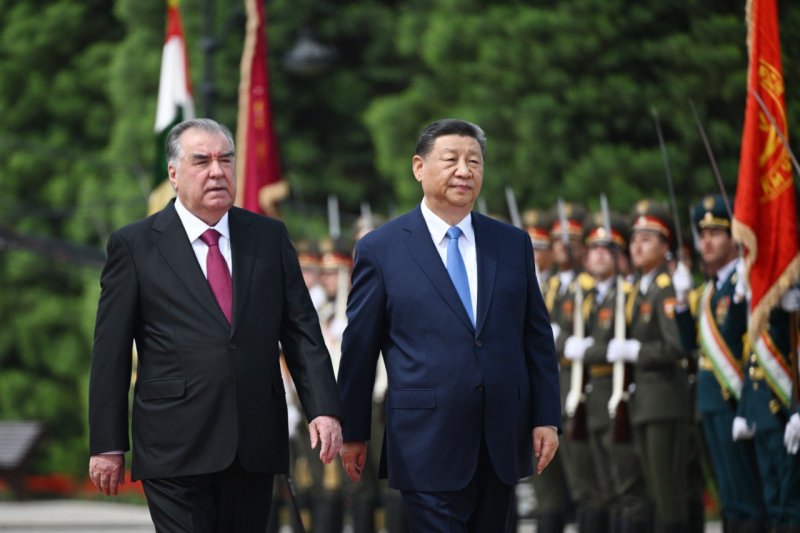
In an interview with Chinese media, President Emomali Rahmon stated: “Tajikistan fully supports the Belt and Road Initiative in all its aspects, as it aligns with the interests of Central Asian countries. The initiative contributes to the implementation of the National Development Strategy of the Republic of Tajikistan until 2030.”
President Xi Jinping also emphasized the importance of the initiative, stating that it helps revive the spirit of the ancient Silk Road and creates a new model of international cooperation based on mutual benefit and shared development.
Beijing — A Symbol of Strength, Wisdom, and the Future
The core events of the seminar—lectures, presentations, and meetings with Chinese media professionals—took place in the capital city of Beijing.
Key topics included digitalization, artificial intelligence, the evolution of the media industry, and China’s growing role in global information processes.
Beijing left a particularly strong impression on me—a city where cutting-edge technologies seamlessly blend with a rich historical legacy.
One of the most memorable moments of the trip was visiting the Great Wall of China.
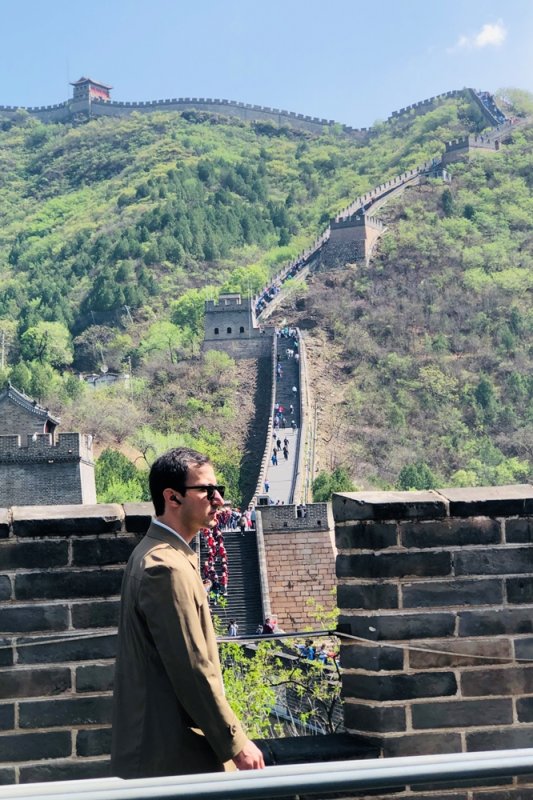
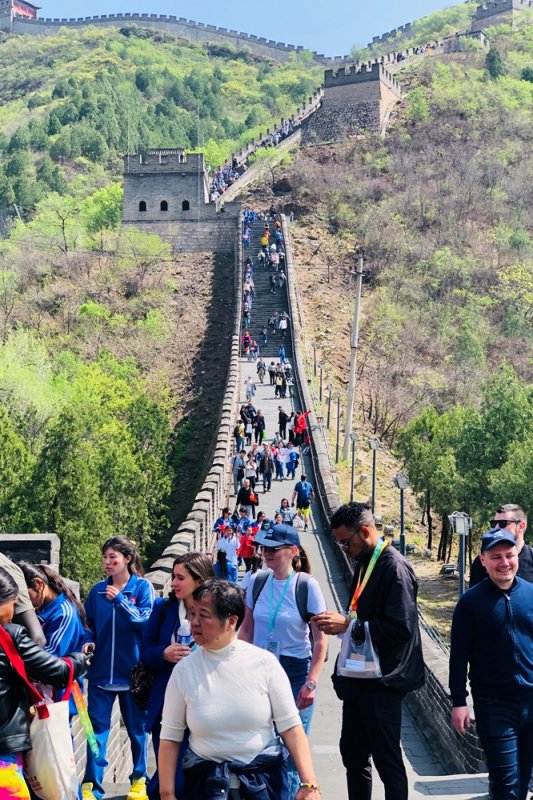
More than just an architectural wonder, it stands as a symbol of resilience, hard work, and the enduring commitment to national sovereignty.
Walking along its ancient stones, I felt the deep roots of Chinese statehood and the vital role that history plays in shaping national identity.
In Beijing, we also visited the Museum of the Communist Party of China—one of the largest modern museums dedicated to the Party’s history, ideological development, and role in shaping the nation. The exhibitions trace China’s journey from a challenging past to its current economic and political rise.
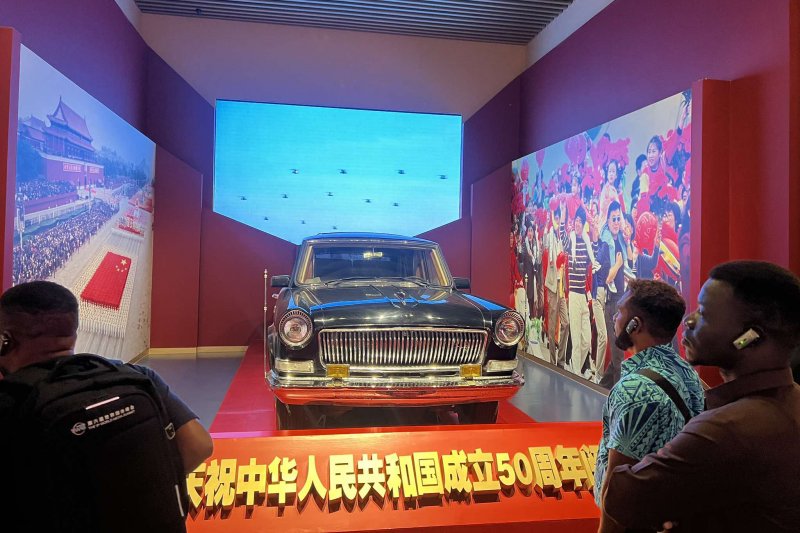
The museum vividly illustrates how political will, strategic thinking, and a firm commitment to national interests have helped transform China into a global leader.
The visit gave me deeper insight into China’s contemporary political philosophy, which blends traditional values with a pragmatic approach to development.
I saw firsthand how Party ideology shapes the country’s economic policy, social stability, and foreign strategy.
One of the highlights of the program was our visit to Xinhua News Agency—China’s leading news source, known for its global reach, advanced technology, and active participation in the international media landscape.
During the visit, we were introduced to the agency’s structure, guiding principles, and the modern technologies used in information processing and dissemination.
Special attention was given to the integration of artificial intelligence in news production, automated news generation, multimedia storytelling, and analytical tools designed to engage a global audience.

It is worth noting that Xinhua News Agency and Khovar maintain a strong partnership. Both agencies regularly exchange news content, collaborate on bilateral media initiatives, and strive to enhance their informational presence in the Central Asian region.
This visit offered valuable insight into how large media organizations operate amid rapid technological change and global competition.
I was impressed not only by Xinhua’s technical capabilities but also by its strategic approach to shaping a positive image of China on the world stage.
The experience reaffirmed the importance of professional exchange and direct communication between media outlets in different countries—as a key tool for promoting mutual understanding and ensuring information sovereignty.
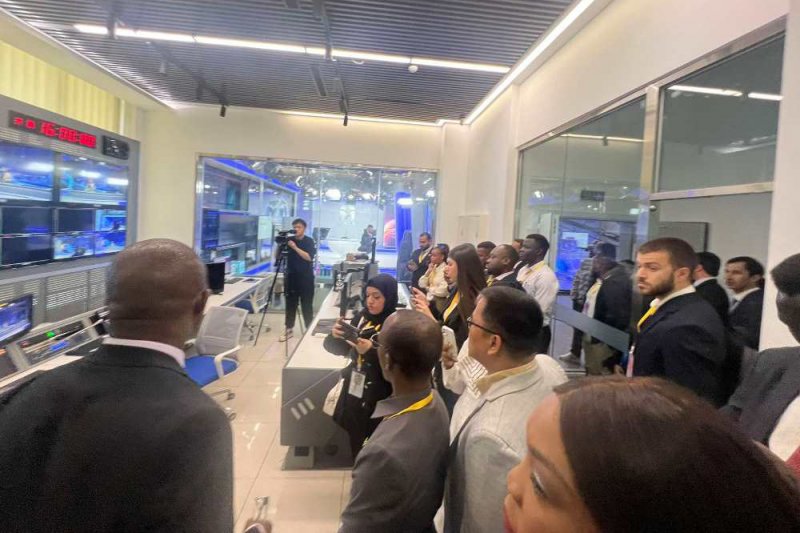
Seminar participants also visited Tongzhou Media Group, a compelling example of how local Chinese media successfully adapt to the challenges of the digital age.
We observed the work of the municipal information center, as well as the editorial teams for television, radio, and digital platforms.
What stood out was how closely local media work with their communities—reporting not only major events but also daily life in the district, fostering a strong sense of local identity.
Tongzhou Media effectively employs multimedia formats, social media platforms, mobile apps, and elements of artificial intelligence to stay connected with audiences in real time.
We were impressed by how even at the municipal level, Chinese media are capable of delivering high-quality content tailored to both domestic and international audiences.
Tongzhou Media’s experience offers valuable insights for the development of regional media in other countries, including Tajikistan, where there is growing interest in integrating digital technologies into the media landscape.
Nanchang: Industry, Nature, and Balanced Development
Nanchang, the administrative center of Jiangxi Province, impressed not only with its natural landscapes and strong environmental policies but also as a model of technological progress.
One of the most striking experiences was our visit to Jiangling Motor Corporation (JMC), one of China’s leading automobile manufacturers, which is actively engaged in the production of electric vehicles.
At this facility, we observed the development and manufacturing process of next-generation cars that meet the highest environmental standards. Special emphasis was placed on electric vehicle projects, their production workflows, and the outlook for large-scale manufacturing.
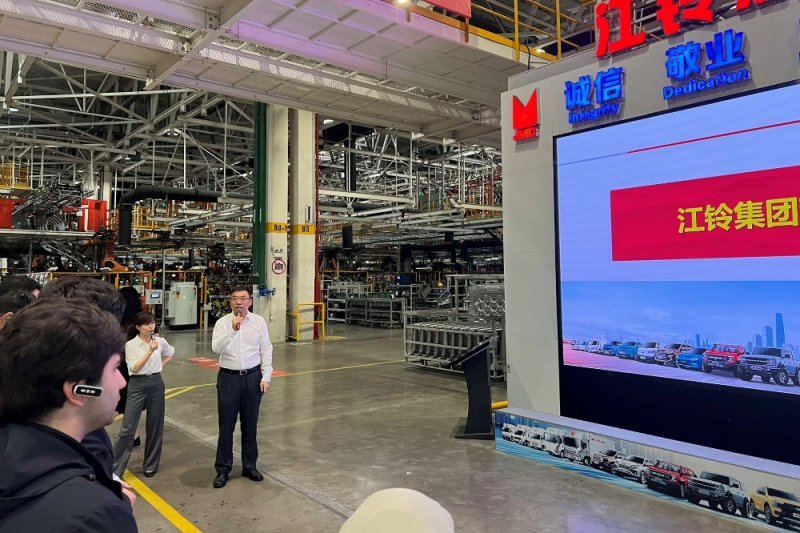
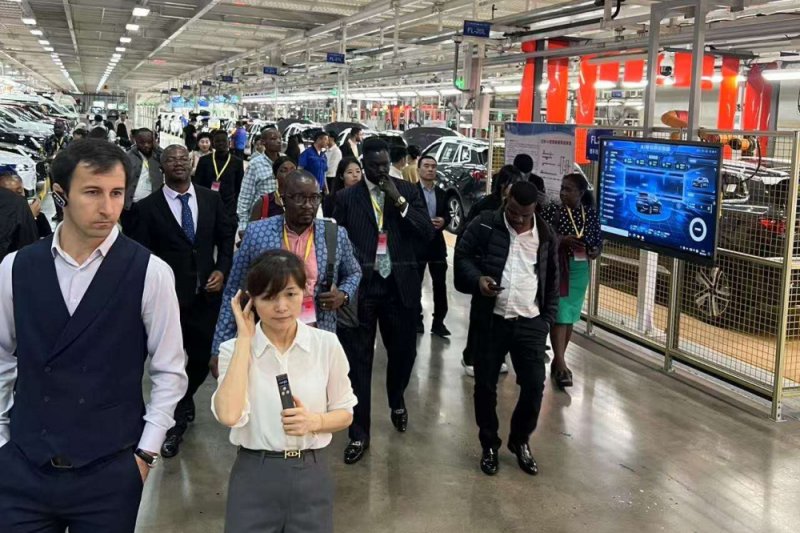
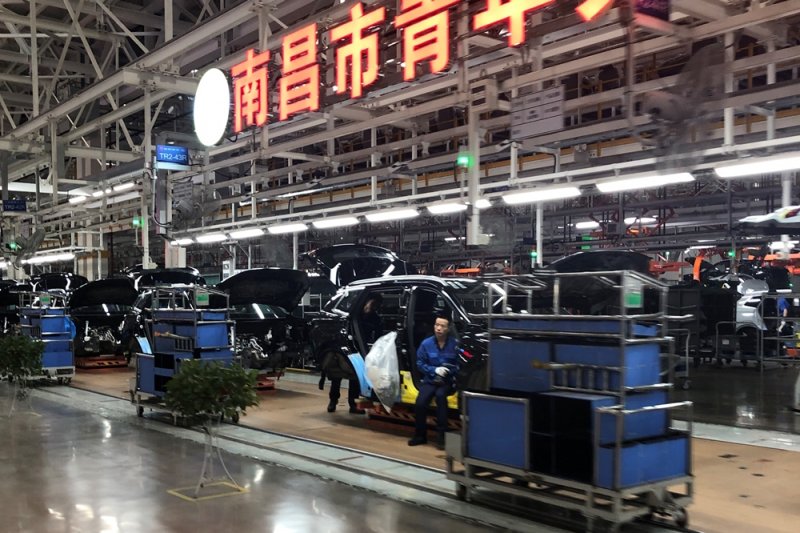
We toured the assembly lines where electric vehicle production is rapidly expanding and witnessed how the company applies advanced technologies to optimize processes.
It is important to note that China, as the world’s largest electric vehicle market, remains at the forefront of global industry, attracting investors and partners from around the world.
In Nanchang, we also visited CR Jiangzhong Pharmaceutical Group, one of China’s top pharmaceutical companies.
The company is actively engaged in developing and producing medications aimed at improving health and enhancing quality of life.
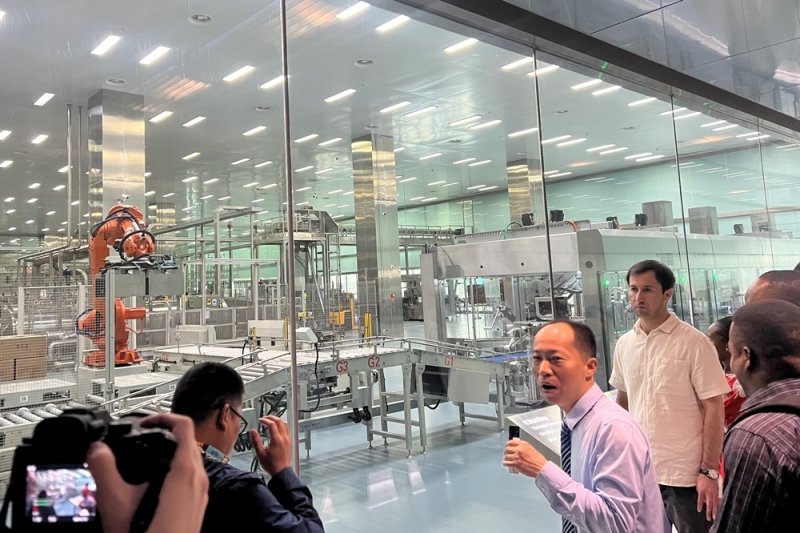
This visit provided insights into the latest healthcare innovations and how the company integrates cutting-edge technologies with the principles of traditional Chinese medicine.
During the tour, we learned about the company’s latest developments, including treatments for chronic diseases, innovative diagnostic methods, and new therapeutic approaches that merge traditional and modern medical knowledge.
The company’s commitment to environmentally friendly technologies and strict quality control throughout all stages of production—from research to market—demonstrates its success and forward-looking vision.
While in Nanchang, we also visited the editorial office of Jiangxi Daily, one of the leading regional media outlets in China.
We were introduced to the newsroom’s modern working methods, including digital news planning, multimedia content integration, and the use of audience analytics tools.
What stood out was how traditional journalism is effectively blended with new technologies, ensuring high-quality and timely news coverage for the province’s residents.
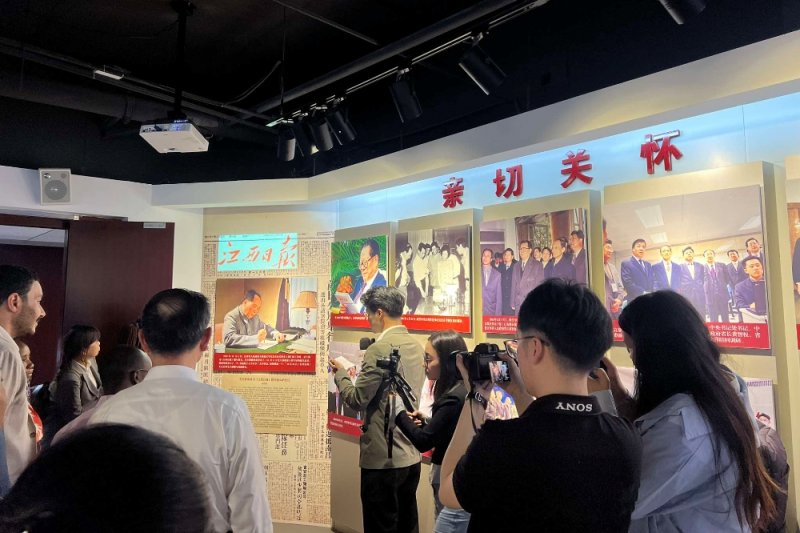
Jiangxi Daily presented a detailed overview of its history, evolution, and role in China’s media landscape. We learned how the publication transitioned from a traditional print newspaper to a modern digital platform, all while maintaining its reputation as a trusted source of information.
The editorial team also introduced us to their workflow and strategies for audience engagement—demonstrating how regional media can successfully adapt to changing times without losing their core mission.
A cultural highlight of our time in Nanchang was visiting the Nanchang Museum of Antiquities—a unique cultural institution where history comes to life.
The museum’s exhibits offered a deeper understanding of the rich historical and cultural heritage of Jiangxi Province.
The museum itself made a strong impression with its architecture—a harmonious blend of traditional Chinese design and modern aesthetics—creating an atmosphere that honors the past while looking toward the future. This part of the program proved to be a true cultural revelation, offering a fresh perspective on ancient China through the lens of contemporary museum practices.
Urumqi — A City of Cultural Diversity
The final stop of my journey was Urumqi, the administrative center of the Xinjiang Uyghur Autonomous Region.
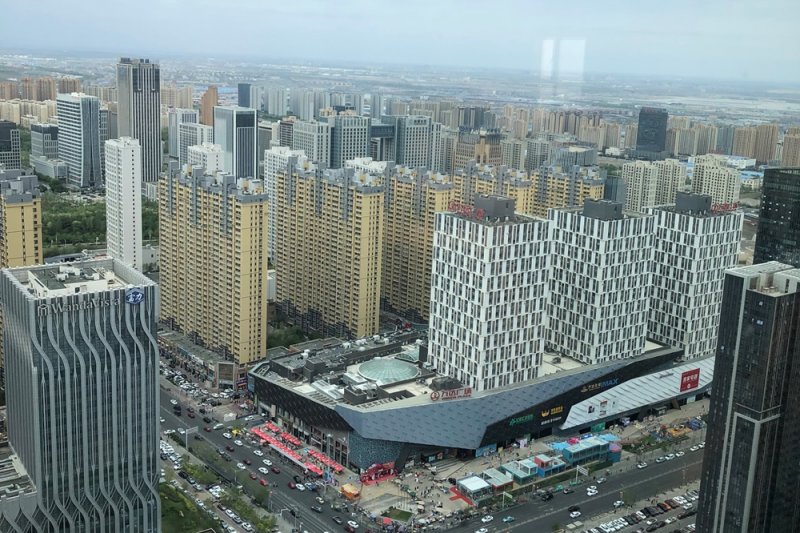
Urumqi is not a new city for me—I first visited it nine years ago. Since then, it has changed significantly. The city has become more modern, dynamic, and livable.
A newly developed urban landscape and improved infrastructure have made Urumqi even more comfortable for both residents and travelers. While its traditional architecture retains its authenticity, newly built structures and district complexes bring a modern touch to the city’s evolving skyline.
One of the most striking symbols of this transformation is the new Urumqi airport. More than just a convenient and modern transport hub, it exemplifies how the city and its infrastructure are developing as part of broader modernization efforts. Yet, beyond infrastructure, what leaves the strongest impression is the city’s atmosphere—a harmonious blend of ancient traditions and the vibrancy of a rapidly modernizing metropolis.
Urumqi remains an important cultural and social center for the many ethnic groups that call it home. This sense of harmony between cultures is palpable in everyday life. Cultural diversity, colorful local markets filled with Eastern goods, unique regional cuisine, and rich traditions all contribute to the city’s spirit of hospitality and friendliness.
For me, this visit to Urumqi served as a meaningful reminder of how Chinese society strives to integrate cultures and foster platforms for dialogue among different ethnic communities.
Personal Experience: New Horizons for a Young Journalist
As a young journalist, participating in this seminar was a significant milestone in my professional development. I gained valuable knowledge in the fields of information technology, media, and communications, as well as a deeper understanding of how artificial intelligence and digitalization are transforming the modern world.
What I found especially rewarding was the opportunity to engage with fellow participants from across Asia, Africa, and the Americas. We exchanged perspectives on media development, digital transformation, and the challenges journalism faces in the age of AI.
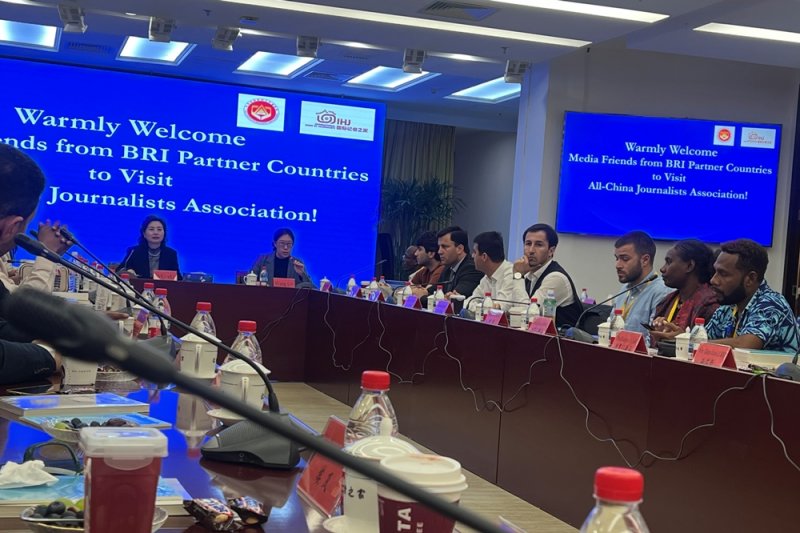
These discussions and personal interactions not only broadened my understanding of global media trends but also helped forge meaningful professional relationships—some of which I hope will lead to long-term collaboration. I’m grateful that this seminar introduced me not only to new colleagues but also to true friends.
Interacting with international peers, visiting leading Chinese enterprises, and participating in educational sessions offered a unique chance to expand my worldview and examine global processes from a fresh perspective.
I gained insight not only into China’s internal dynamics, but also into how the country engages with the rest of the world—through infrastructure, culture, business, and knowledge exchange.
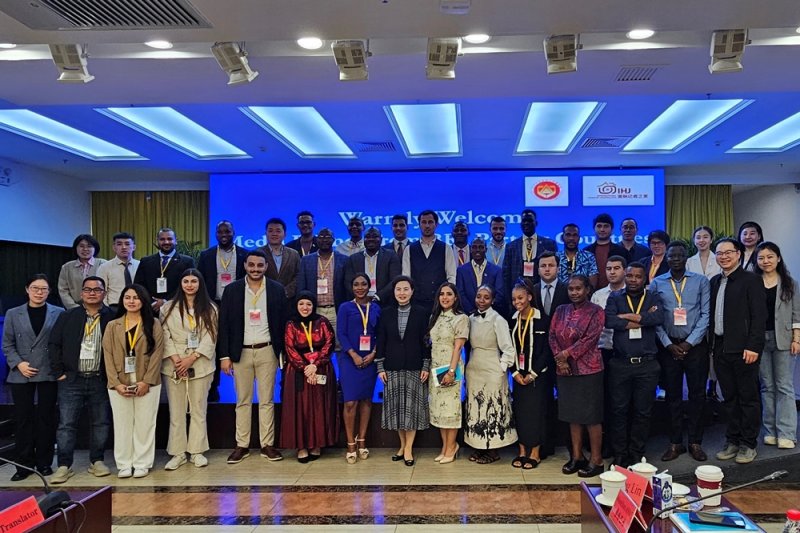
Beyond the theoretical knowledge, one of the most valuable takeaways was the network of professionals I connected with—people from different countries who are facing similar challenges in journalism and who are eager to share ideas and explore new approaches in a rapidly digitalizing media landscape.
I’m confident that the insights I’ve gained will enable me to contribute meaningfully to my organization and to society as a whole.
Closing Ceremony: A Symbol of Friendship and Gratitude
The intensive 14-day program concluded with a heartfelt closing ceremony held in a warm and friendly atmosphere. The event brought together participants from various countries along with representatives from AIBO.
Speeches were delivered reflecting on the seminar’s outcomes, expressing gratitude, and extending wishes for continued professional success.
On behalf of the Tajik delegation, we expressed our sincere appreciation to the Chinese side for the high level of organization, the rich and well-structured program, the thoughtful attention to participants, and the opportunity to gain a deep understanding of China’s achievements.
As a gesture of friendship and respect, Tajik delegation presented a symbolic national gift to a representative of the organizers—a meaningful token that reflected the strengthening of cultural and informational ties between Tajikistan and China.
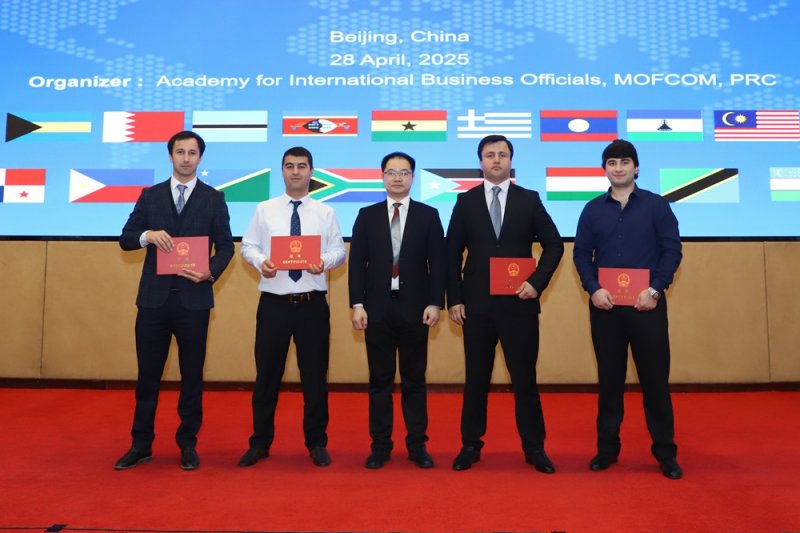
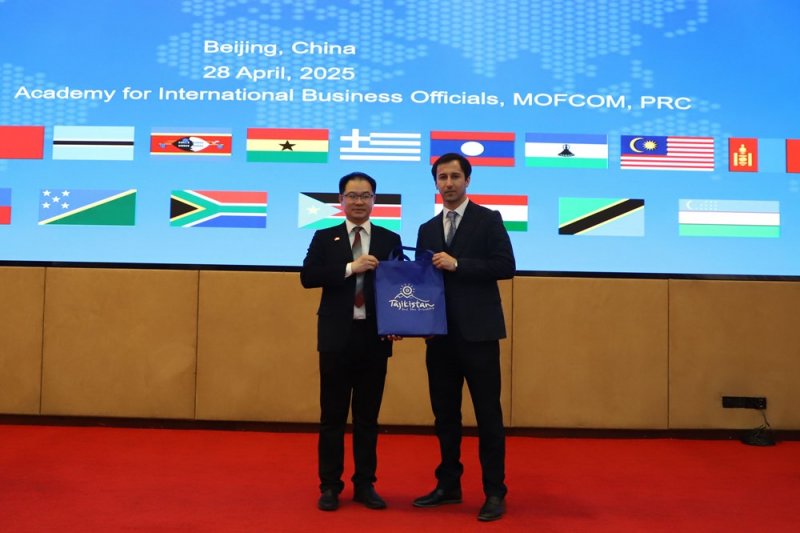
The closing ceremony left a lasting impression—not only marking the official end of the seminar’s educational component, but also highlighting the spirit of international cooperation, mutual understanding, and shared development that accompanied us throughout the visit.
China is a country with an ancient history, rich culture, warm hospitality, and tremendous potential for progress. Thanks to this seminar, I returned home not only with new knowledge, but also with a deeper appreciation for the importance of international collaboration and intercultural dialogue.
I firmly believe that programs like this play a vital role in fostering mutual understanding, friendship, and trust between nations—especially in today’s rapidly changing world.
Akramkhoja Akbar,
Khovar News Agency
Dushanbe – Beijing – Nanchang – Urumqi – Dushanbe
 Cultural Figures from Tajikistan and Uzbekistan Awarded “Dusti” and “Dustlik” Orders for Strengthening Bilateral Ties
 Tajik Cinema Days Showcase Films in Uzbekistan’s Capital
 Uzbekistan to Host Tajik Culture Days for Navruz Celebration
 National Conference to Be Held Marking the 115th Anniversary of Hero of Tajikistan Mirzo Tursunzoda
 Emomali Rahmon: “Navruz, Mehrgon, Sada, and Tirgon Embody Humanistic Values and Reverence for Nature”
 Emomali Rahmon: “The Tajiks Are One of the World’s Cultural and Civilization-Building Nations”
 Emomali Rahmon: «Borbad Is Recognized as One of the Earliest Masters of Musical Theory and a Professional Composer of the Aryan Cultural Tradition»
 President Emomali Rahmon Describes Historical and Cultural Heritage as the Identity of the Ancient Tajik People
 Joint Statement by the Ministries of Foreign Affairs of the Republic of Tajikistan and the Kingdom of Bahrain on the Occasion of the 30th Anniversary of the Establishment of Diplomatic Relations
 The Political School of the Leader of the Nation in the Context of the Activities of the People’s Democratic Party of Tajikistan
 Tajikistan to host Chinese Culture Days