







From COP31 to Practical Solutions: How Solar Energy Helps Tajikistan Ensure a Stable Power Supply During the Autumn-Winter Period
Read also
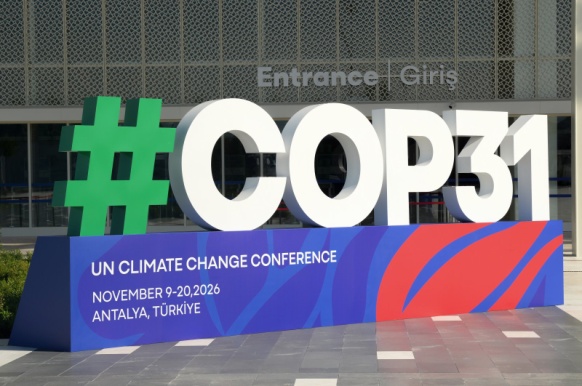
DUSHANBE, 10.11.2026 (NIAT Khovar) – The energy transition, greenhouse gas emissions reduction, and climate change adaptation are once again at the center of international attention. On November 9, 2026, the 31st UN Climate Change Conference (COP31) opened in Antalya, Türkiye, bringing together representatives of states, international organizations, and the climate community to deliberate on the next steps for implementing climate commitments. However, the effectiveness of climate policy is determined not only by decisions made on international platforms, but also by how consistently they are translated into reality at the national and local levels.
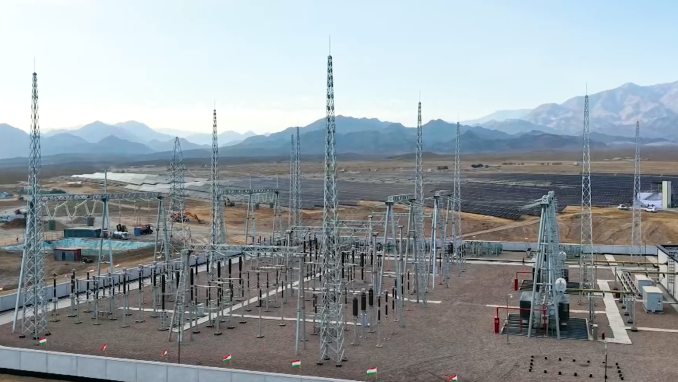 Investments in clean energy and energy efficiency are vital prerequisites for this transition. In particular, the Global Environment Facility supports the regional program «Accelerating Environmentally Sustainable and Inclusive Development,» which covers Tajikistan and other countries in the region. The initiative aims to accelerate the transition to a low-carbon economy, deploy energy-efficient technologies, and expand the use of decentralized renewable energy sources, including battery energy storage systems. Such efforts reflect the international community’s growing focus on actionable mechanisms for energy transition.
In Tajikistan, the development of solar energy serves as one of these practical solutions. Its significance extends beyond the environmental agenda: harnessing solar power can simultaneously cut emissions, enhance energy resilience, and address the challenge of electricity shortages, particularly during the autumn and winter months.
 This impact is most visible in social welfare and public health facilities, where an uninterrupted power supply is directly tied to human health and safety. At City Maternity Hospital No. 1 in Dushanbe, new lives begin every day. Here, reliable power is far more than a technical requirement; the stable operation of medical equipment directly determines the quality of care provided to mothers and newborns. Consequently, the installation of solar panels has become not only a step toward clean energy adoption for the facility, but also a critical tool for ensuring operational resilience.
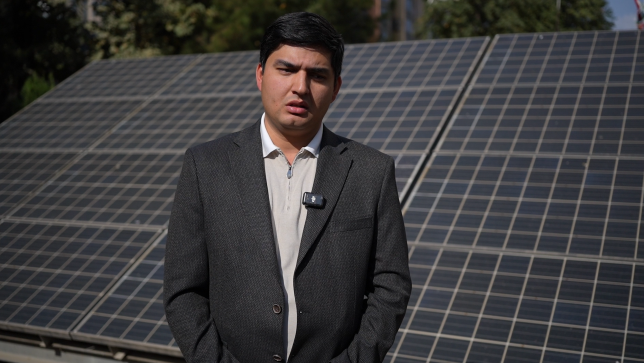 According to Dilshod Abdurakhmonov, Deputy Director of the Research Institute of Obstetrics, Gynecology, and Perinatology, solar panels allow the facility to maintain power during outages without relying on supplemental fuel. The generated electricity powers vital medical equipment, which is especially crucial for the maternity ward, where even a momentary power interruption carries severe risks.
«Whenever there is a grid disruption, automation instantly switches critical infrastructure to solar power. Our primary focus is protecting newborns: power is supplied continuously to incubators, mechanical ventilators, and monitoring equipment. For premature infants, even a minute of lost heat or an interrupted oxygen supply is life-threatening. This alternative source guarantees the uninterrupted operation of delivery rooms and intensive care units without putting lives at risk.»
The maternity hospital’s experience reflects a broader trend: the steady expansion of renewable energy across Tajikistan. The country possesses substantial solar potential that can complement traditional hydropower and help diversify its energy mix.
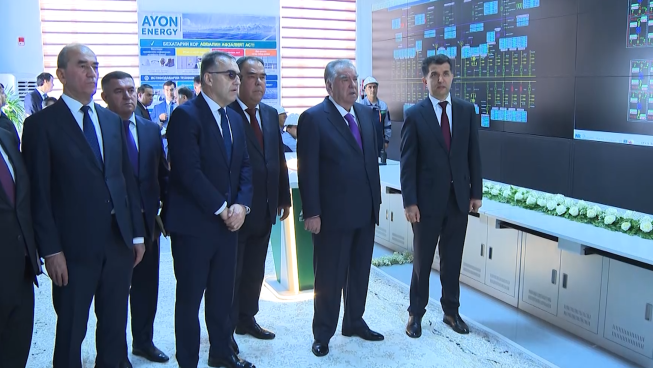 A major milestone in this direction was the commissioning on September 21, 2026, of a 250-megawatt solar power plant in the village of Shaydon, Asht District, Sughd Region. President of the Republic of Tajikistan Emomali Rahmon attended the opening ceremony. Covering an area of 793 hectares, the facility stands as one of the country’s most prominent solar energy developments.
The rollout of such facilities goes beyond simply increasing total power generation. Given seasonal fluctuations in energy supply, diversifying energy sources reduces dependency on a single generation method, balances grid loads, and creates additional capacity to power residential areas, public services, and industrial operations.
At the same time, solar power is not a standalone replacement for the existing grid. Its efficiency depends on weather conditions, seasonal solar irradiance, the availability of energy storage systems, and the technical readiness of facilities. Ensuring a reliable electricity supply requires combining solar installations with energy storage and other power sources. This approach is vital for hospitals, schools, and social infrastructure that cannot afford temporary disruptions in electricity.
A key factor in scaling solar energy is integrating it directly into the building design stage. Planning early allows engineers to incorporate the technical solutions needed to install panels, connect electrical infrastructure, and efficiently distribute the generated power.
Solar installation requirements are now part of the recommended planning criteria for new construction projects in Tajikistan, spanning residential developments, public administration buildings, sports complexes, and industrial sites. This approach formalizes the shift from retrofitting existing structures to systematically incorporating renewable energy into the country’s newly built infrastructure.
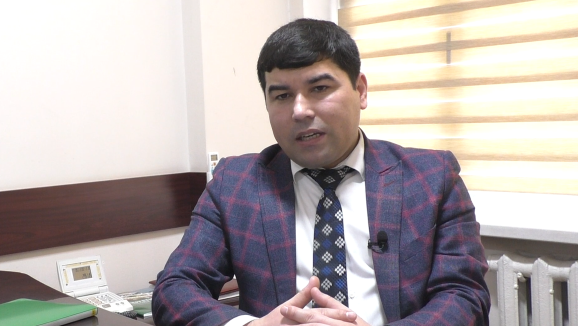 Mahmud Mirzoyon, a representative of the Ministry of Energy and Water Resources of the Republic of Tajikistan, discussed the new urban planning standards and the trajectory of green energy:
«Today, solar panel integration begins at the stage of architectural drawings and load calculations. While we previously focused on retrofitting existing facilities, we are now creating a unified standard for new construction—from residential complexes to manufacturing plants. This not only eases the burden on the central power grid, but also establishes a foundation for sustainable urban development for decades to come.»
The expansion of solar energy is thus integral to several interrelated priorities: strengthening energy security, upgrading infrastructure, and delivering on climate commitments. For Tajikistan, where hydropower accounts for the bulk of electricity generation, tapping into solar resources creates new opportunities to diversify energy supplies and build resilience against seasonal and climatic challenges.
Yet scaling these solutions demands more than capital investments, technology, and policy directives. Public awareness, open access to reliable data, and an understanding of how climate change intersects with daily life are just as critical.
 According to Irina Ponedelnik, Coordinator of the Climate Action Network for Eastern Europe, Caucasus, and Central Asia (CAN EECCA), advancing the climate agenda requires not only political resolve and funding, but also active public engagement, cross-border knowledge exchange, and high-quality coverage of environmental and energy initiatives. Public awareness helps communities understand climate challenges and evaluate the real-world solutions designed to address them.
This effort is bolstered by the Central Asia Climate Campaign 2026, implemented by the MediaNet International Centre for Journalism and n-ost with the support of the German Federal Ministry for Economic Cooperation and Development (BMZ) under the project «Communicating Climate in Central Asia.» The campaign pools efforts to strengthen climate journalism across the region, bringing focus to climate impacts, regional initiatives, and practical pathways toward more sustainable development.
While international forums deliberate on climate roadmaps, these solutions are steadily taking root on the ground in Tajikistan. A solar array on the roof of a maternity hospital may be modest relative to national power generation, but its impact goes far beyond cutting fuel costs or generating kilowatts. It illustrates how clean energy can simultaneously safeguard the environment, fortify social infrastructure, and protect human lives.
Ultimately, climate policy proves truly effective when its impact extends beyond government strategies and international agreements into everyday reality—including where new life begins each day.
Shoira TOIROVA,
Journalist
 Fayzali Idizoda Holds Virtual Meeting with President of Global Council for Tolerance and Peace
 Tajikistan Steps Up Efforts to Combat Extremism and Cybercrime
 Ambassador of Tajikistan Participates in 42nd Abu Dhabi International Petroleum Exhibition and Conference
 Deputy Foreign Minister of Tajikistan Participates in 22nd IISS Manama Dialogue, Meets Bahraini Counterpart
 Tajikistan Proposes Regional Education Road Map for 2027-2030
 Rustam Emomali Meets Aibek Dadebay to Strengthen Tajikistan-Kazakhstan Parliamentary Ties at Dushanbe Forum
 Tajikistan, Turkmenistan Seek to Strengthen Parliamentary Cooperation
 Tajikistan, German Company Textima Discuss Investment and Economic Cooperation
 Tajikistan Outlines Investment Priorities at AIIB Regional Forum in Istanbul
 Dushanbe Hosts Forum on 5G Development and Digital Technologies
 Tajikistan, Kuwait Discuss Expanding Cooperation in Oil and Gas Sector
 Eurasian Patent Organization Holds 48th Administrative Council Meeting in Dushanbe