






Eurasian Lawmakers Convene in Dushanbe to Strengthen Climate Action and Water Cooperation
Read also
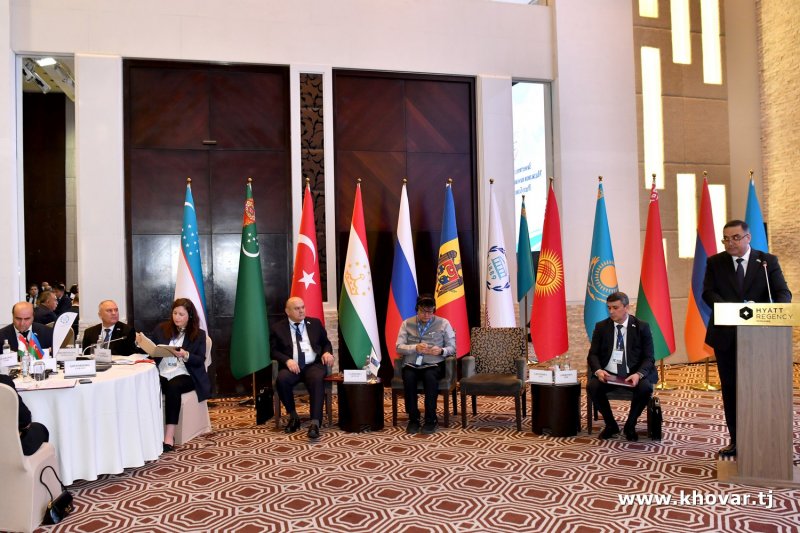
As climate threats intensify across Eurasia, lawmakers and environmental experts gathered in the capital of Dushanbe on Friday for a high-level regional seminar focused on strengthening parliamentary action against climate change and advancing sustainable development goals.
Held within the framework of the Fourth Dushanbe Water Conference and the World Water Agenda, the seminar titled “Addressing Climate Change and Sustainable Development through Parliamentary Action” brought together parliamentary representatives from Eurasian countries and the Republic of Turkey, alongside officials from the Inter-Parliamentary Union (IPU), international experts, regional organizations, and media representatives.
Organized at the initiative of the Majlisi namoyandagon Majlisi Oli of the Republic of Tajikistan in cooperation with the IPU, the forum centered on urgent global challenges including climate adaptation, protection of water resources, greenhouse gas reduction, regional cooperation, and the growing role of parliaments in shaping climate policy.
Opening the seminar, Deputy Chairman of the Majlisi namoyandagon Aziz Giyozoda warned that climate change is no longer solely an environmental concern, but a multidimensional threat affecting national security, economic development, and social stability.
He highlighted the accelerating frequency of natural disasters, glacier melt, ecosystem degradation, and water scarcity as pressing issues requiring coordinated international and political responses.
“Tajikistan, as a mountainous country, remains among the states most vulnerable to climate change,” Giyozoda stated, noting that more than 1,000 of the country’s over 13,000 glaciers have already disappeared entirely a development carrying serious consequences for the broader Central Asian region.
Participants emphasized the international climate and water diplomacy initiatives led by Leader of the Nation Emomali Rahmon, particularly the successful adoption by the United Nations General Assembly of the resolution declaring 2025 the International Year of Glaciers’ Preservation, which speakers described as a significant diplomatic achievement for Tajikistan.
The seminar also highlighted Tajikistan’s domestic climate initiatives, including the implementation of the National Strategy for Adaptation to Climate Change by 2030 and the Strategy for the Development of the Green Economy for 2023–2037.
Officials noted that approximately 98% of Tajikistan’s electricity is generated through hydropower, positioning the country among global leaders in the use of renewable and clean energy sources.
Throughout the discussions, delegates underscored the need to expand international cooperation, strengthen climate financing mechanisms, attract green investment, and improve access to environmentally sustainable technologies.
In a video address, IPU Secretary General Martin Chungong thanked Tajikistan’s parliament for hosting the event and supporting international dialogue on climate and sustainable development.
Chungong warned that Eurasian countries are already experiencing the direct consequences of climate change, including worsening water shortages, air pollution, extreme weather conditions, and increasing threats to food security.
He stressed that parliaments possess a critical role in advancing the Sustainable Development Goals through legislation, oversight, and policymaking.
“The Inter-Parliamentary Union remains committed to strengthening inter-parliamentary cooperation and supporting national legislatures in addressing climate challenges,” he said.
During the seminar, local and international experts exchanged views on climate resilience, water conservation, methane emission reduction, air pollution mitigation, and the institutional role of parliaments in implementing environmental policy.
Delegates also discussed the importance of sharing best practices, identifying common challenges, and developing practical pathways toward sustainable development across the region.
At the conclusion of the forum, participants called for the establishment of permanent coordination mechanisms for inter-parliamentary cooperation on climate and water issues, emphasizing parliamentary diplomacy as an increasingly important instrument in addressing global environmental challenges.
 Tajikistan Discusses Implementation of UN Disability Rights Convention
 Tajikistan Invites Women Parliamentarians to 2027 Peace Conference in Dushanbe
 Tajikistan, Mongolia Seek to Strengthen Inter-Parliamentary Cooperation
 Tajikistan Ratifies Deal to Expand Air Links With UAE
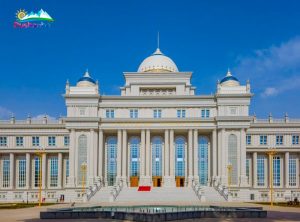 Asian Parliamentary Assembly Standing Committee Adopts Resolution on Strengthening the Culture of Peace, Tolerance, and Respect for Cultural Values
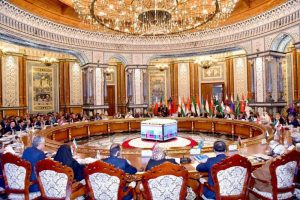 Standing Committee of the Asian Parliamentary Assembly Adopts Resolution on the Culture of Rational Water Resource Use
 Dushanbe to Host Asian Parliamentary Assembly Social and Cultural Affairs Meeting
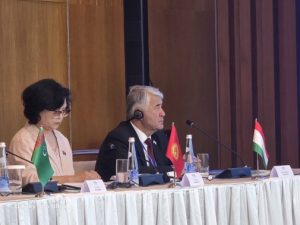 Tajikistan, Uzbekistan Underscore Shared Commitment to Friendship and Strategic Partnership
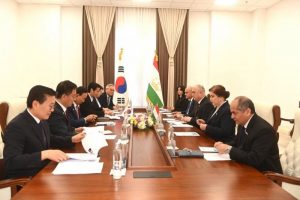 Faizali Idizoda Meets with Deputy Speaker of the National Assembly of the Republic of Korea
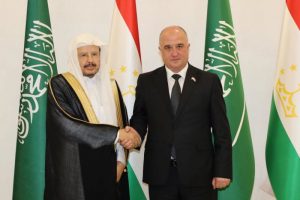 Tajikistan, Saudi Arabia Seek Deeper Interparliamentary Ties
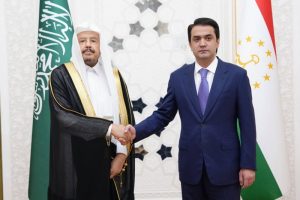 Rustam Emomali Meets Saudi Shura Council Chief To Strengthen Bilateral Ties
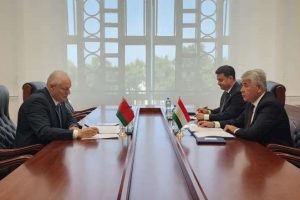 Tajikistan and Belarus Reaffirm Commitment to Interparliamentary Cooperation