





Harrat Al Rass Al Abyad Nature Reserve added to World Database on Protected Areas
Read also
The Royal Commission for AlUla (RCU), in coordination with the National Centre for Wildlife, has announced the official registration of Harrat Al Rass Al Abyad Nature Reserve in the National Database of Protected Areas and the World Database on Protected Areas (WDPA).
The registration is aimed at supporting the conservation of the reserve’s distinctive biodiversity and rare geological formations.
The reserve, located in Khaybar Governorate in the Madinah Region, covers an area of 600 square kilometers. It is the sixth protected area within RCU’s protected area network (APAN), which spans a total of 12,107 square kilometers.
The registration reflects RCU’s efforts to expand its protected area network, document natural assets and improve their management through scientific approaches aimed at ensuring long-term sustainability.
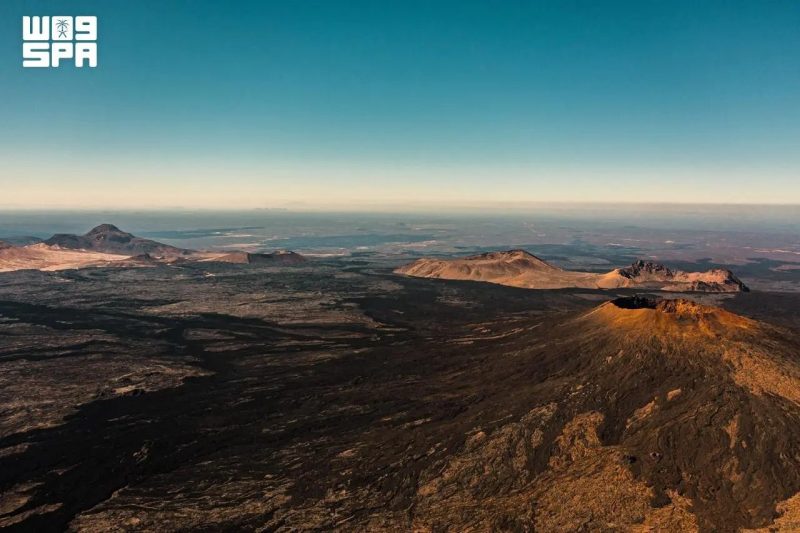
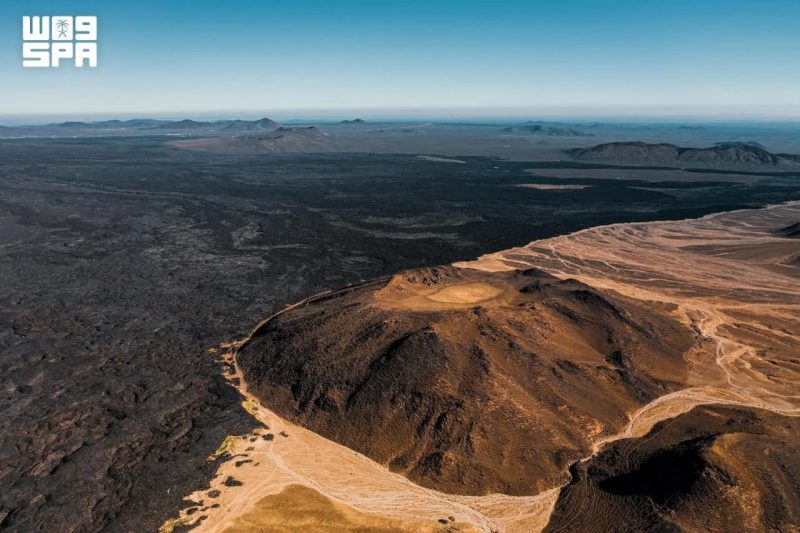
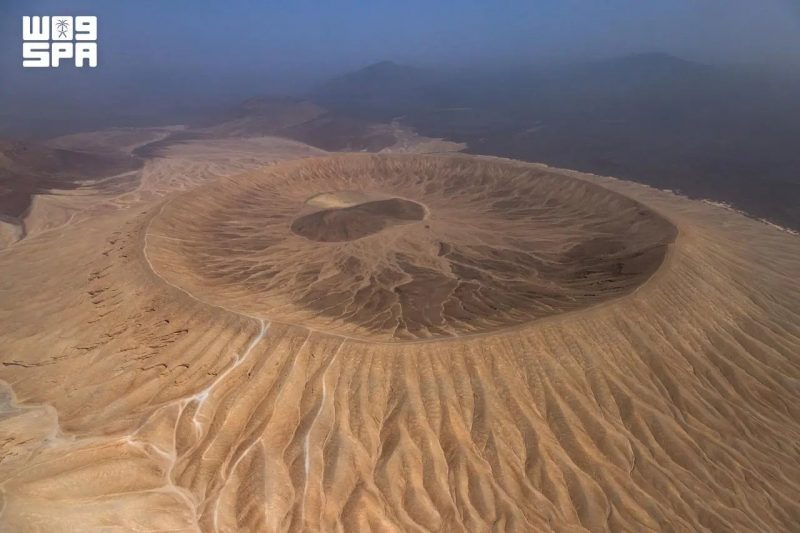
The reserve is located in Harrat Khaybar, one of the largest volcanic fields in the Arabian Peninsula. Its landscape features white volcanoes alongside extensive black basalt fields. The distinctive colour of the white formations is due to comendite volcanic rocks.
Harrat Khaybar is home to three rare white volcanoes: Jabal Al Bayda, Jabal Al Abyad and Jabal Al Mansaf. The area is of particular importance for research into geological diversity and the history of volcanic activity.
The reserve has been classified under Category III of the International Union for Conservation of Nature (IUCN), which covers protected areas established to conserve natural features and their associated biodiversity and habitats.
The territory also includes Umm Jirsan Cave, one of Saudi Arabia’s longest lava tube systems, extending for approximately 1,481 metres.
Preliminary surveys conducted by RCU have identified about 99 plant species, 14 mammal species, 18 reptile species and 59 bird species in the reserve. The recorded species include the endangered Egyptian vulture. Suitable habitats for the mountain ibex have also been identified.
Species inventories and data collection are continuing to improve understanding of the reserve’s ecological assets and determine conservation priorities.
The reserve’s development was based on scientific assessments of its environmental, geological and cultural characteristics conducted between 2022 and 2024 in cooperation with the IUCN. The assessments resulted in an operational management plan for 2024-2029, which provides for conservation, management and monitoring measures to protect the site’s natural and cultural heritage.
RCU is also working to secure further international recognition for the area, including by meeting the requirements for UNESCO Global Geopark status and inclusion on the IUCN Green List. The initiatives are aimed at preserving geological heritage and improving the effectiveness of protected area management.
The reserve’s registration is part of RCU’s ten-year ecosystem restoration strategy and broader efforts to protect natural habitats, conserve biodiversity and safeguard geological heritage.
These efforts are in line with the Saudi Green Initiative, which aims to protect 30% of the Kingdom’s terrestrial and marine areas by 2030.
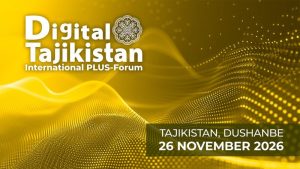 International forum Digital Tajikistan 2026 to be held in Dushanbe
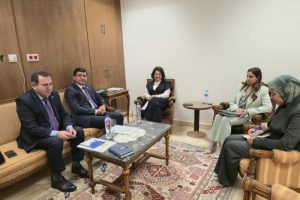 Tajikistan and Egypt Discuss Bilateral Cooperation and Preparations for Political Consultations
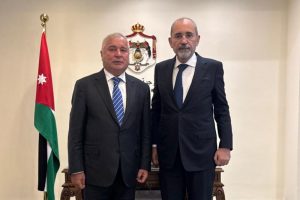 Tajikistan and Jordan Discuss Expanding Bilateral Cooperation and Strengthening Political Dialogue
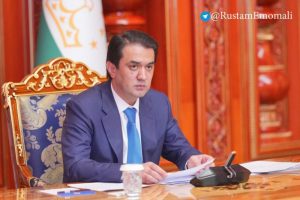 Rustam Emomali Calls for Accelerated Digital Reforms and Improved Public Services in Tajikistan
 Shohin Airlines Launches Regular Flights Between Dushanbe and Khorog
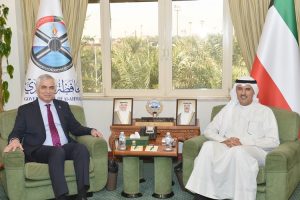 Tajik Ambassador Meets Governor of Kuwait’s Al-Ahmadi Governorate
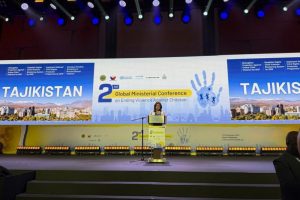 Tajikistan Reaffirms Commitment to Combating Violence Against Children at Conference in Manila
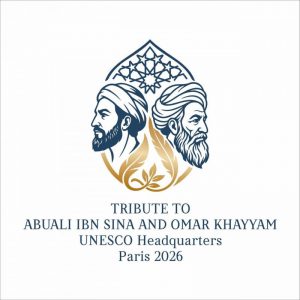 Tajikistan to Hold International Scientific and Cultural Events at UNESCO Headquarters in Honour of Avicenna and Omar Khayyam
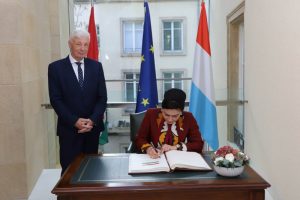 Tajikistan, Luxembourg Discuss Expanding Inter-Parliamentary Cooperation
 Tajikistan and EU Hold 13th Meeting of Parliamentary Cooperation Committee in Brussels