







Avicenna’s Medical System Will be Studied Jointly by Tajik and Indian Doctors
DUSHANBE, 18.01.2019. (NIAT Khovar) – There is probably no area which is as important for all people as medicine. Medicine based on Avesta, the sacred book of Zoroastrianism, has been advancing in Central Eurasia for millennia.
Canons of this unique work of ancient healers not only preserved hundreds of original recipes, but also allowed the creation of a whole system of sanitation and hygiene standards. It was the Avestan system of medical practice which provided the basis for the world-famous Ayurveda, the traditional medicine of India, developed between the 12th and the 15th centuries BCE.
In 2009, the key health staff and medical researchers of the SCO member countries, met for the first time in Beijing to deliver the achievements of traditional medicine to citizens of their countries, in order to make it widely available. This resulted in a decision to establish the Academy of Traditional Medicine of the SCO Countries, bringing together leading experts on traditional medical systems practiced in these countries, states Shanghai Cooperation Organization (SCO)’s journal InfoSCO.
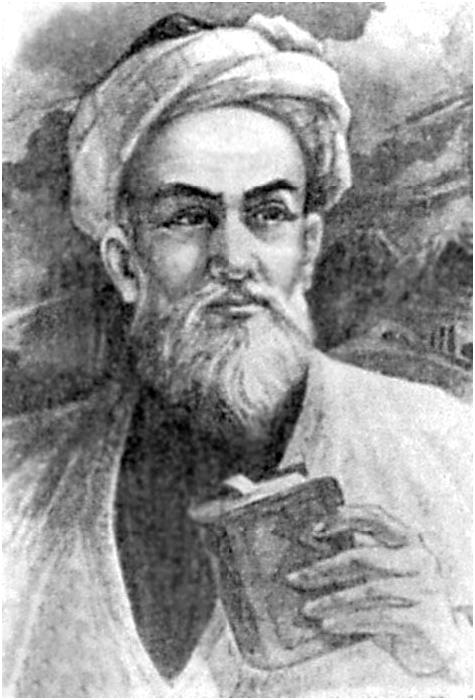
Tajikistan plays an important role in the preservation and delivering of the world-famous medical system of the East, summarized in The Canon of Medicine by Abu Ali Ibn Sina, who in the West is also known as Avicenna. In recent years, Tajik scientists made a complete translation of his unique work together with its accompanying commentary, which includes three and a half thousand simple and complex plant and animal-based recipes.
Most progress has been made by Tajik doctors using its unique prescriptions in the treatment of diseases typical for countries with a hot climate, especially urolithiasis. The therapy has been successfully combating this disease using Avicenna’s prescriptions.
Physicians from the SCO member states pay much attention to the practice joining traditional medicine from different countries. For example, in recent years Tajik doctors in cooperation with their Indian colleagues have been conducting research on the implementation of Avicenna’s system, known in India as Yunnan medicine.
Avicenna, who was born in 980 AD and died 57 years later, is regarded as the father of early modern medicine.
 Tajik Energy Minister Attends Opening of International Electric Power Forum in Kazan
 Tajik Deputy FM Receives Credentials Copies from New Pakistani Ambassador
 Tajik National University, USGS Discuss Expanding Geology Cooperation
 CIS Officials Meet in Minsk to Prepare Upcoming Summits
 Tajikistan, China Sign Deal to Expand Health Cooperation
 Emomali Rahmon Calls for Strengthening Patriotism Among Youth at Navruz Celebration
 Tajikistan, Uzbekistan Discuss Expanding Customs Cooperation
 Tajikistan Eyes Renewable Energy Boost With 500-MW Solar Initiative
 Experts to Discuss Climate Resilience at Dushanbe Water Conference
 Meeting of the Government of the Republic of Tajikistan
 Dushanbe to Host International Forum on Sustainable Development, Green and Digital Transformation in April 2026
 Tajik Delegation Competes at International Delphic Games in Kyrgyzstan