





Tajikistan Signs New UNODC Regional Program for Central Asia
Read also
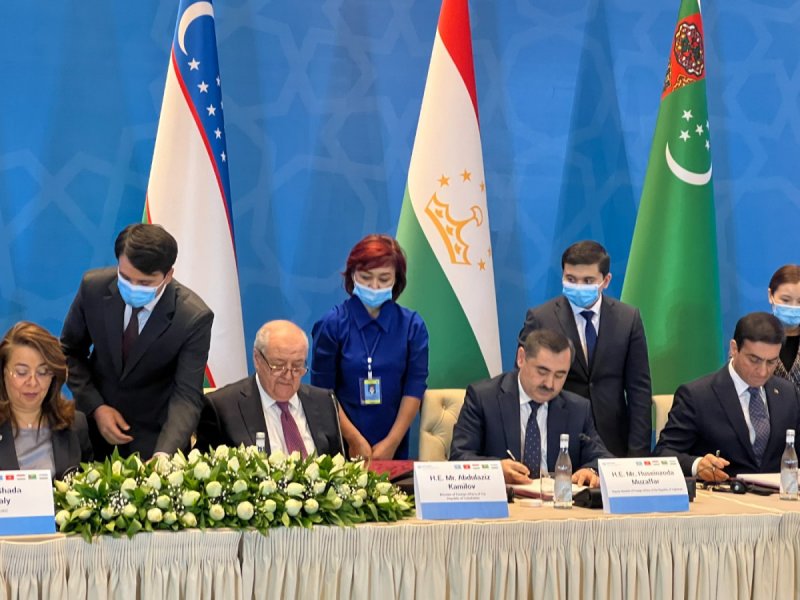
DUSHANBE, 25.11.2021 (NIAT Khovar) – Yesterday in Tashkent, Tajikistan’s delegation headed by the Deputy Minister of Foreign Affairs Muzaffar Huseinzoda participated in the signing and launch ceremony of the new UNODC Regional Program for Central Asian countries for 2022-2025.
In his speech, Huseinzoda expressеd his satisfaction with the level of cooperation of relevant authorities of Tajikistan with the UNODC on countering security challenges and threats, including international terrorism and extremism, cyber-crimes, illicit drug trafficking, and human trafficking.
He also emphasized the role of UN and its specialized agencies in mitigating the aforementioned negative phenomenon through the provision of technical assistance.
Huseinzoda expressed his hope that the new UNODC Regional Program for Central Asian countries will be aimed at developing and implementing effective and coordinated measures to prevent and counter contemporary threats and challenges.
 President of Uzbekistan Mirziyoyev Meets Tajik Foreign Minister to Discuss Bilateral Ties
 Tajikistan, Switzerland Discuss Expanding Trade and Investment Ties
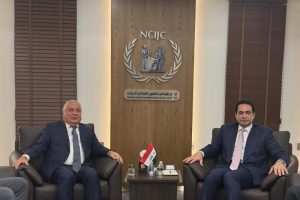 Tajikistan, Iraq Discuss Strengthening Judicial and Legal Cooperation
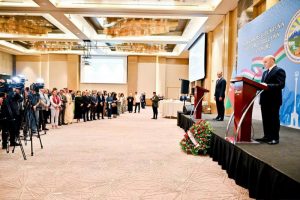 Embassy of Tajikistan in Baku Marks the 35th Anniversary of State Independence
 Embassy of Tajikistan in London Marks the 35th Anniversary of State Independence
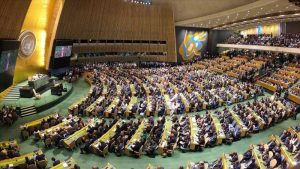 U.N. Sets 2028 Dushanbe Water Conference, Approves ‘Dushanbe Water Framework’ Roadmap
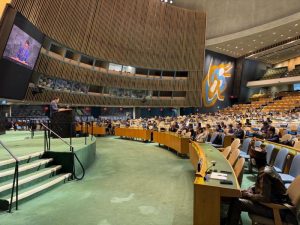 UN General Assembly Adopts Tajikistan-Initiated Resolution on Safe and Trustworthy AI
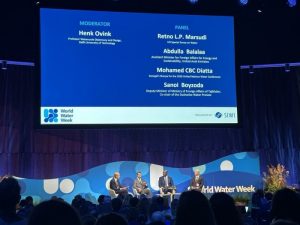 Tajik delegation highlights 2028 U.N. Water Conference at Stockholm World Water Week
 Tajik ambassador, Jazeera Airways discuss expanding Dushanbe-Kuwait flights
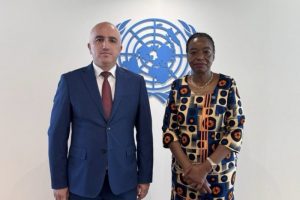 Tajikistan, UNODC Discuss Expanding Cooperation
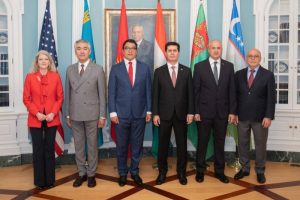 U.S. Under Secretary of State Meets With Central Asian Ambassadors in Washington
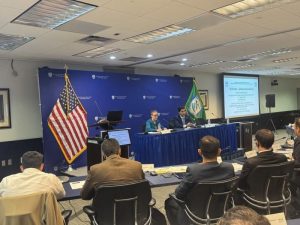 Ambassador of Tajikistan Highlights Regional Security, Peace Initiatives at NESA Forum