




Tajikistan-Mongolia Business Forum held in Ulaanbaatar
Read also
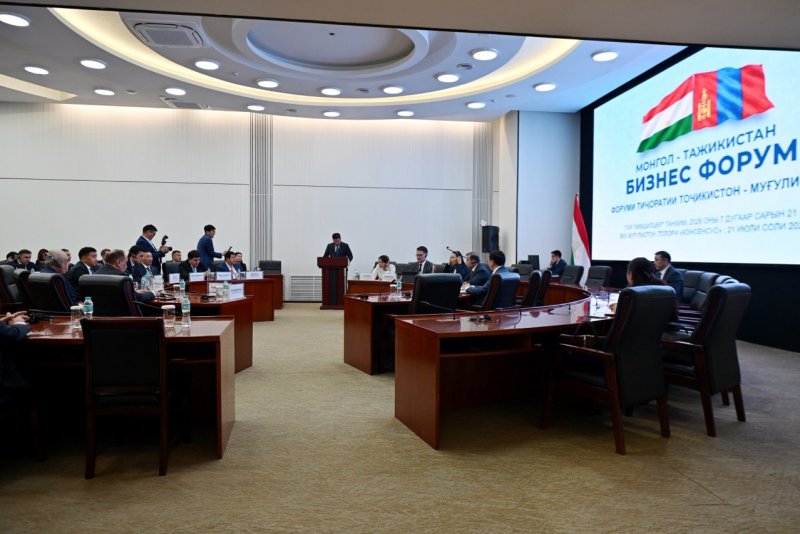
DUSHANBE, July 21, 2026 (NIAT Khovar) – The Tajikistan-Mongolia Business Forum was held in Ulaanbaatar on July 21 within the framework of the state visit of the President of the Republic of Tajikistan, Leader of the Nation, Honorable Emomali Rahmon to Mongolia, Khovar reports.
The forum, organized by the State Committee on Investment and State Property Management of the Republic of Tajikistan and the National Chamber of Commerce and Industry of Mongolia, brought together representatives of government agencies, financial institutions, business circles and leading companies of both countries.
Participants discussed ways to expand trade and economic cooperation, attract investment, promote entrepreneurship, establish joint ventures, increase exports and imports, and implement joint investment projects.
Opening the forum, Chairman of the State Committee on Investment and State Property Management of Tajikistan Sulton Rahimzoda noted that the Tajikistan–Mongolia Business Forum represents an important step towards strengthening economic and trade relations between the two countries.
He emphasized that the event creates favorable opportunities for developing direct business ties, attracting investment, exchanging experience and launching new investment initiatives.
He highlighted that Tajikistan, with its open economic policy, favorable investment climate and rich natural resources, has broad potential for cooperation in energy, industry, mining and mineral processing, agriculture, food production, textiles, logistics, tourism and the green economy.
Mongolia’s Minister of Food, Agriculture and Light Industry Tsaagaankhuu Iderbat stated that Mongolia attaches great importance to expanding mutually beneficial cooperation with Tajikistan and is ready to strengthen collaboration in hydropower, agriculture, livestock breeding, light industry, food processing, trade, transport and other areas of common interest.
During the forum, representatives of government bodies and the private sector of both countries presented the economic potential, investment opportunities and trade priorities of Tajikistan and Mongolia. They exchanged views on expanding cooperation, attracting foreign direct investment, establishing joint production facilities, developing interregional cooperation and strengthening business partnerships.
The participants emphasized that such forums play an important role in identifying new partners, expanding business relations, increasing bilateral trade turnover and implementing joint economic initiatives.
The event also featured B2B meetings between entrepreneurs from the two countries, during which representatives of Tajik and Mongolian companies discussed opportunities for direct cooperation, trade in goods, investment projects and the establishment of joint ventures.
At the conclusion of the forum, several cooperation documents were signed between business representatives of Tajikistan and Mongolia, aimed at further developing economic and trade relations, expanding business cooperation and implementing joint investment projects.
 Tajikistan, China Hold 14th Intergovernmental Commission Meeting in Dushanbe
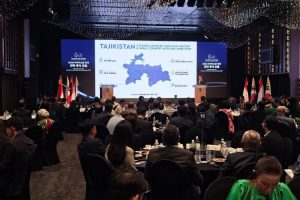 Tajikistan-Republic of Korea Strategic Investment Forum was held in Seoul
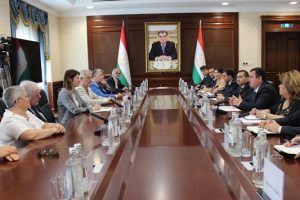 Tajikistan, Flanders discuss investment and trade cooperation
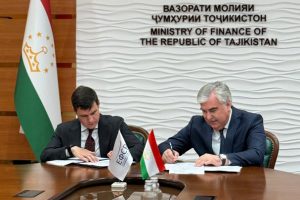 Tajikistan, EFSD Sign $200 Million Budget Support Loan Agreement
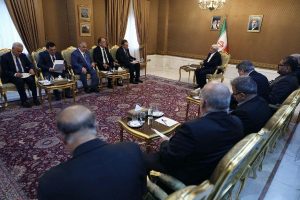 Tajikistan, Iran Strengthen Economic and Trade Cooperation
 Tajikistan, IMF Discuss Human Capital Development and Economic Cooperation
 Industry as a Driver of Growth: What Has Changed in 35 Years of Independence?
 PamirInvest-2026: 57 investment agreements worth over 6.5 billion somoni signed at international forum
 Shohin Airlines to acquire four Airbus A320neo aircraft
 Tajikistan Imports Goods Worth Over $5 Billion in First Half of 2026
 Citizens and Entrepreneurs Conduct 3.7 Million Non-Cash Transactions via POS Terminals and E-Wallets
 Plans for Non-Ferrous Metals Industrial Cluster in Sughd Discussed in Shanghai