






Tajik producers have been trained on exports issues of EC and GCC’s markets
December, 30.12.2015. (NIAT “Khovar”). — Two FAO events, a Presentation and Technical Workshop to enable Tajik producers to export honey and to increase export of dried fruit to European Union (EU) and Gulf Cooperation Council (GCC) markets, were held in Dushanbe this month.
These FAO events brought together representatives of Ministry of agriculture of the Republic of Tajikistan, other related agencies, and producers.
During these events there followed a very constructive discussion on food safety, GCC and EU requirements for honey and druid fruits, quality parameters for the exporting products, including growing, harvesting, storage, packaging labeling, transporting and tariff information.
In that context, there was invited the expert, who tasked with preparing a Guide that outlines the measures, norms, standards and procedures, including those related to sanitary phytosanitary and food safety, as well as the steps needed to be taken in order for Tajik exports to enter both the EU and Gulf Cooperation Council (Bahrain, Kuwait, Oman, Qatar, Saudi Arabia, and the United Arab Emirates) markets.
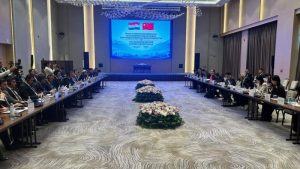 Tajikistan, China Hold 14th Intergovernmental Commission Meeting in Dushanbe
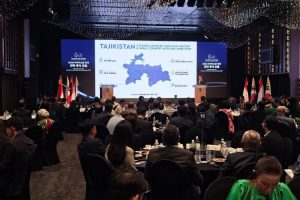 Tajikistan-Republic of Korea Strategic Investment Forum was held in Seoul
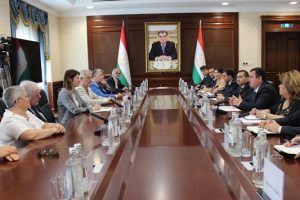 Tajikistan, Flanders discuss investment and trade cooperation
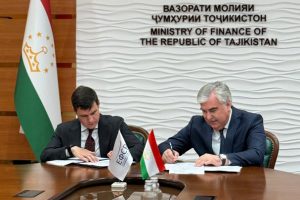 Tajikistan, EFSD Sign $200 Million Budget Support Loan Agreement
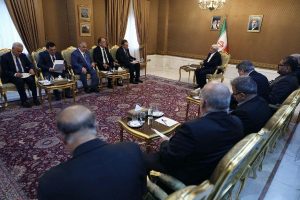 Tajikistan, Iran Strengthen Economic and Trade Cooperation
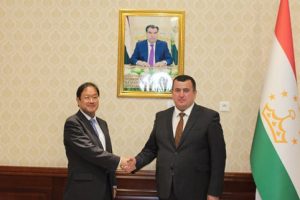 Tajikistan, IMF Discuss Human Capital Development and Economic Cooperation
 Industry as a Driver of Growth: What Has Changed in 35 Years of Independence?
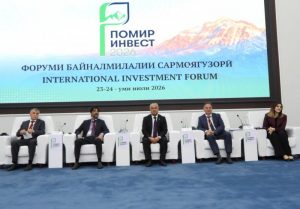 PamirInvest-2026: 57 investment agreements worth over 6.5 billion somoni signed at international forum
 Shohin Airlines to acquire four Airbus A320neo aircraft
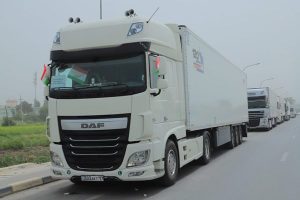 Tajikistan Imports Goods Worth Over $5 Billion in First Half of 2026
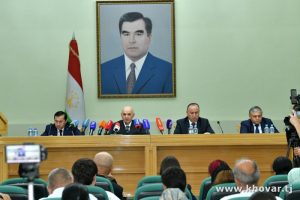 Citizens and Entrepreneurs Conduct 3.7 Million Non-Cash Transactions via POS Terminals and E-Wallets
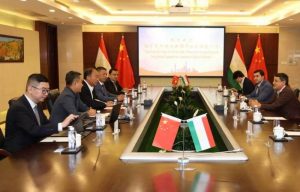 Plans for Non-Ferrous Metals Industrial Cluster in Sughd Discussed in Shanghai