









Number of Rare Animals Is Increasing in Tajikistan
Read also
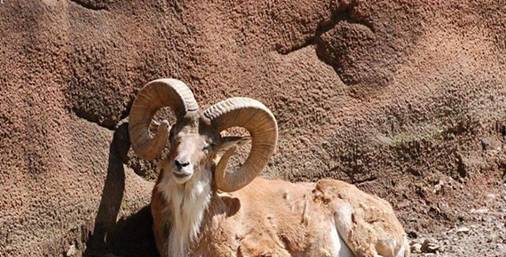
DUSHANBE, 04.02.2021 (NIAT Khovar) – The number of mountain sheep (argali or Marco Polo) is numbering more than 26,000. This was stated at a press conference of the Committee for Environmental Protection.
The number of horned goats has increased by more than 2,700. The number of Bukhara deer has jumped from 500 to 520. Snow leopards have also multiplied, reaching around 300-350, while brown bears are numbering 800.
As in previous years, this year 13 quotas will be allocated for hunting of the horned goat, 12 quotas for Bukhara ram, 105 quotas for Marco Polo rams and 10 quotas for brown bear.
The cost of hunting rare animals depends on the species. Hunting for a Marco Polo ram costs 55,000 somoni, horned goat – 337,800 somoni, Bukhara mountain sheep – 28,100 somoni, and a brown bear – 10,800 somoni.
Biotechnical work is being carried out to remove wild animals from winter frosts without loss. For this purpose, 8,030 kg of wheat, 1,459 kg of barley, 11,350 kg of hay, 1,615 kg of bran, 1,520 kg of salt and 470 kg of corn has been scattered throughout the designated territories.
 Tajikistan, China Hold 14th Intergovernmental Commission Meeting in Dushanbe
 Tajikistan-Republic of Korea Strategic Investment Forum was held in Seoul
 Tajikistan, Flanders discuss investment and trade cooperation
 Tajikistan, EFSD Sign $200 Million Budget Support Loan Agreement
 Tajikistan, Iran Strengthen Economic and Trade Cooperation
 Tajikistan, IMF Discuss Human Capital Development and Economic Cooperation
 Industry as a Driver of Growth: What Has Changed in 35 Years of Independence?
 PamirInvest-2026: 57 investment agreements worth over 6.5 billion somoni signed at international forum
 Shohin Airlines to acquire four Airbus A320neo aircraft
 Tajikistan Imports Goods Worth Over $5 Billion in First Half of 2026
 Citizens and Entrepreneurs Conduct 3.7 Million Non-Cash Transactions via POS Terminals and E-Wallets
 Plans for Non-Ferrous Metals Industrial Cluster in Sughd Discussed in Shanghai