









World Bank Allocates $58 Million to Strengthen the Resilience of Tajikistan’s Agriculture Sector
Read also
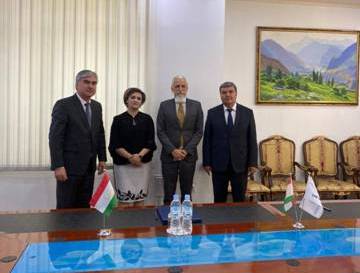
DUSHANBE, 22.06.2021 (NIAT Khovar) – The World Bank has approved grant financing in the amount of $58 million for the implementation of the Agricultural Sector Resilience Project in Tajikistan.
According to the World Bank, the International Development Association (IDA) grant funds aim at making agriculture more resilient and supporting recovery from COVID-19.
“The COVID-19 pandemic has highlighted the relevance and need for further modernization of the agricultural sector to provide stable incomes for farmers and everyone involved in the rural economy, as well as to address the root causes of seasonal poverty and provide families with constant access to affordable but nutritious food,” said its Resident Representative in Tajikistan Jan-Peter Olters.
The project aims to strengthen the foundations of the agriculture sector necessary for sustainability, which in turn will accelerate its diversification, serve to develop viable private micro, small and medium-sized businesses in rural areas, and create additional employment opportunities.
The project will help develop viable seed, seedling and planting material production systems to ensure sufficient quantity and quality of locally adapted and climate resilient varieties to grow priority crops. Investments in production technologies will improve production and productivity, ensure food security, and the efficient use of other resources such as water, fertilizers, pesticides and insecticides.
The research institutes at the Academy of Agricultural Sciences of Tajikistan and the Tajik Agrarian University will be involved in the project in order to strengthen long-term potential in research and development of technologies and solutions for adaptation to climate change and sector development.
Additionally, measures aim to support investments in agro-logistics centers for horticultural value chains in order to increase the competitiveness of the sector and provide farmers with access to markets, promote agricultural diversification, apply food quality and safety standards, and reduce food losses and volumes of food waste. The presence of such centers will attract more private investment in horticulture, including orchards, helping to mitigate climate change risks and create jobs.
In parallel, the project will help to strengthen the capacity of selected government agencies in the area of crisis prevention and management. Priority areas for capacity building are real-time monitoring of agricultural production and agrometeorology, soil analysis for improved fertility management, and crop protection and locust control.
The project will be implemented by the Ministry of Agriculture over the next five years.
 Tajikistan, China Hold 14th Intergovernmental Commission Meeting in Dushanbe
 Tajikistan-Republic of Korea Strategic Investment Forum was held in Seoul
 Tajikistan, Flanders discuss investment and trade cooperation
 Tajikistan, EFSD Sign $200 Million Budget Support Loan Agreement
 Tajikistan, Iran Strengthen Economic and Trade Cooperation
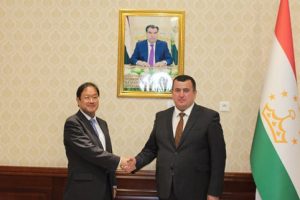 Tajikistan, IMF Discuss Human Capital Development and Economic Cooperation
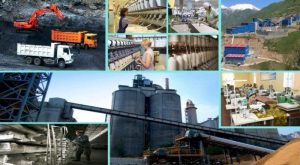 Industry as a Driver of Growth: What Has Changed in 35 Years of Independence?
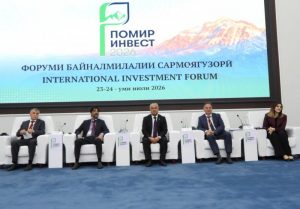 PamirInvest-2026: 57 investment agreements worth over 6.5 billion somoni signed at international forum
 Shohin Airlines to acquire four Airbus A320neo aircraft
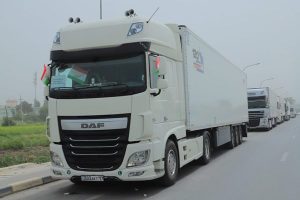 Tajikistan Imports Goods Worth Over $5 Billion in First Half of 2026
 Citizens and Entrepreneurs Conduct 3.7 Million Non-Cash Transactions via POS Terminals and E-Wallets
 Plans for Non-Ferrous Metals Industrial Cluster in Sughd Discussed in Shanghai