







Tajikistan Expands Digitalization of Free Economic Zones to Boost Investment and Trade
Read also
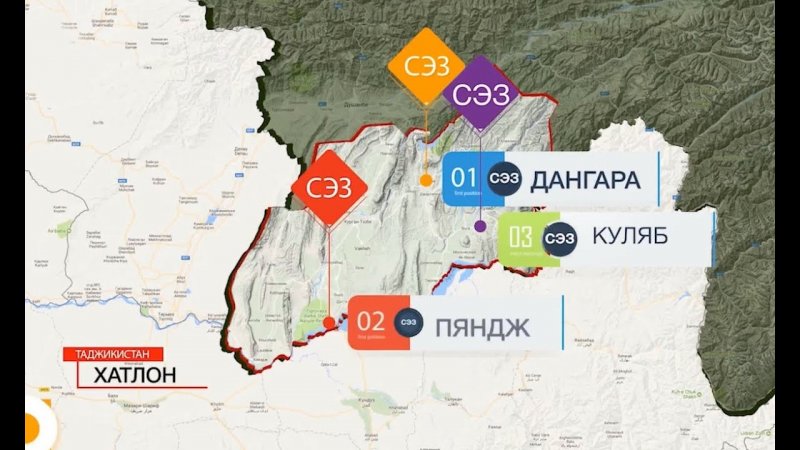
The Ministry of Economic Development and Trade is accelerating efforts to modernize the country’s economy through expanded digitalization of free economic zones (FEZs), including the introduction of an online portal and a “Single Window” system aimed at simplifying business procedures and attracting investment.
According to Manuchehra Majon, head of the ministry’s Main Department for Investment Policy and Regional Development, the initiative is designed to unify administrative processes across FEZs, covering business registration, tax procedures, visa issuance, work permits and other services through centralized digital service centers.
Majon said the reform is based on international standards and is intended to reduce bureaucracy and processing times. He noted that FEZ operating periods were extended from 25 to 50 years following investor demand for greater long-term stability.
He also said rental rates for land plots in newly established zones, including those near the border with Afghanistan, have been reduced to encourage investment. Over the next two years, authorities plan to fully digitize business processes, enabling online submission of documents and minimizing administrative delays.
Officials reported that 120 enterprises are currently operating across five FEZs. In the first three months of 2026, production reached 166 million somoni, with tax and customs revenues reportedly exceeding state infrastructure investments in the zones.
Despite challenges in border regions due to regional instability, interest from investors continues to grow, including new registrations in the Panj and Ishkashim zones and increased engagement from Chinese investors, Majon said.
Separately, Jovid Huseinzoda, head of the FEZ Administration Department, said a new online investment catalog launched in 2025 now lists more than 100 products in five languages and has attracted over 10,000 users. The platform provides information on investment opportunities, infrastructure, mineral resources and logistics across the country and region.
Huseinzoda said the system is expected to fully digitize FEZ-related procedures, including registration, certification, tax interaction and visa processing.
According to official data, exports from FEZs rose 35% over the past year, while international trade inquiries increased 50%. Foreign investment grew with the entry of 15 new investors, and average transaction volumes rose 20%, reflecting improved competitiveness.
The ministry described the online catalog and “Single Window” system as key instruments in broader efforts to digitize the economy and strengthen foreign trade. Officials said the initiative will improve transparency, reduce barriers and enhance Tajikistan’s investment attractiveness.
The “Single Window for FEZs” project is being implemented in cooperation with the Ministry of Economic Development and Trade and is funded by the Russian government as part of a 48-month international cooperation program focused on digitalization and sustainable development.
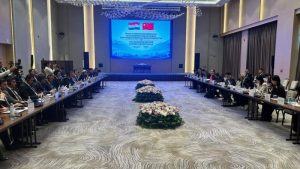 Tajikistan, China Hold 14th Intergovernmental Commission Meeting in Dushanbe
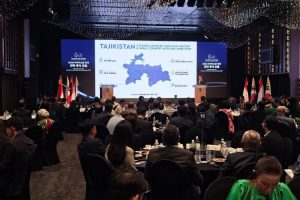 Tajikistan-Republic of Korea Strategic Investment Forum was held in Seoul
 Tajikistan, Flanders discuss investment and trade cooperation
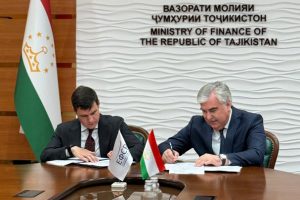 Tajikistan, EFSD Sign $200 Million Budget Support Loan Agreement
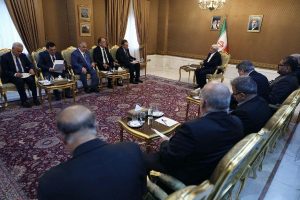 Tajikistan, Iran Strengthen Economic and Trade Cooperation
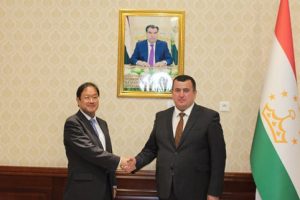 Tajikistan, IMF Discuss Human Capital Development and Economic Cooperation
 Industry as a Driver of Growth: What Has Changed in 35 Years of Independence?
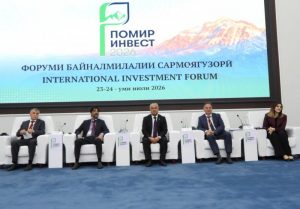 PamirInvest-2026: 57 investment agreements worth over 6.5 billion somoni signed at international forum
 Shohin Airlines to acquire four Airbus A320neo aircraft
 Tajikistan Imports Goods Worth Over $5 Billion in First Half of 2026
 Citizens and Entrepreneurs Conduct 3.7 Million Non-Cash Transactions via POS Terminals and E-Wallets
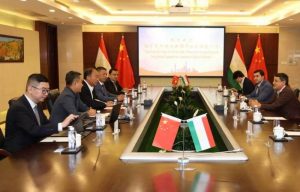 Plans for Non-Ferrous Metals Industrial Cluster in Sughd Discussed in Shanghai